How Long Does a Wedding Last? Full Event Duration Tips
Wondering how long does a wedding last? Get full event duration tips to plan your perfect timeline from ceremony to reception!
So you're knee-deep in wedding planning, and suddenly this question pops into your head: just how long is this whole shindig going to take anyway? It's a fair question, and honestly, one that doesn't get nearly enough attention during the planning process. Getting the timing right can make or break your big day, and nobody wants guests checking their watches or yawning during the father-daughter dance.
Here's the deal. Wedding durations vary wildly depending on cultural traditions, personal preferences, venue restrictions, and about a million other factors. Some couples wrap everything up in a neat four-hour package, while others throw celebrations that stretch well into the wee hours of the morning. Neither approach is wrong; it's all about what works for you and your soon-to-be spouse.
Understanding how long does a wedding last and getting those full event duration tips sorted early in your planning journey saves you from countless headaches later. Trust me on this one! When you know roughly how much time each segment of your day requires, you can communicate effectively with vendors, set realistic expectations with guests, and actually enjoy your wedding instead of constantly worrying about the schedule.
Whether you're planning an intimate backyard affair or a grand ballroom extravaganza, this guide will walk you through everything you need to know about wedding timing. We'll break down each portion of the day, discuss factors that affect duration, and share insider tips for keeping everything running smoothly. Ready to dive in? Let's get this party started!
The Average Wedding Timeline Breakdown
Before we get into the nitty-gritty details, let's establish a baseline. What does a typical wedding day actually look like from start to finish?
The Big Picture
On average, a complete wedding celebration runs somewhere between four to six hours. This includes the ceremony, cocktail hour, and reception. However, when you factor in pre-ceremony preparations and any post-reception activities, couples often find themselves committed to wedding-related events for ten to twelve hours of their day.
Sounds exhausting, right? Well, it can be! But breaking everything down into manageable chunks makes the whole thing feel much more doable. Plus, understanding these timeframes helps you pace yourself and conserve energy for the moments that matter most.
Morning and Afternoon Preparations
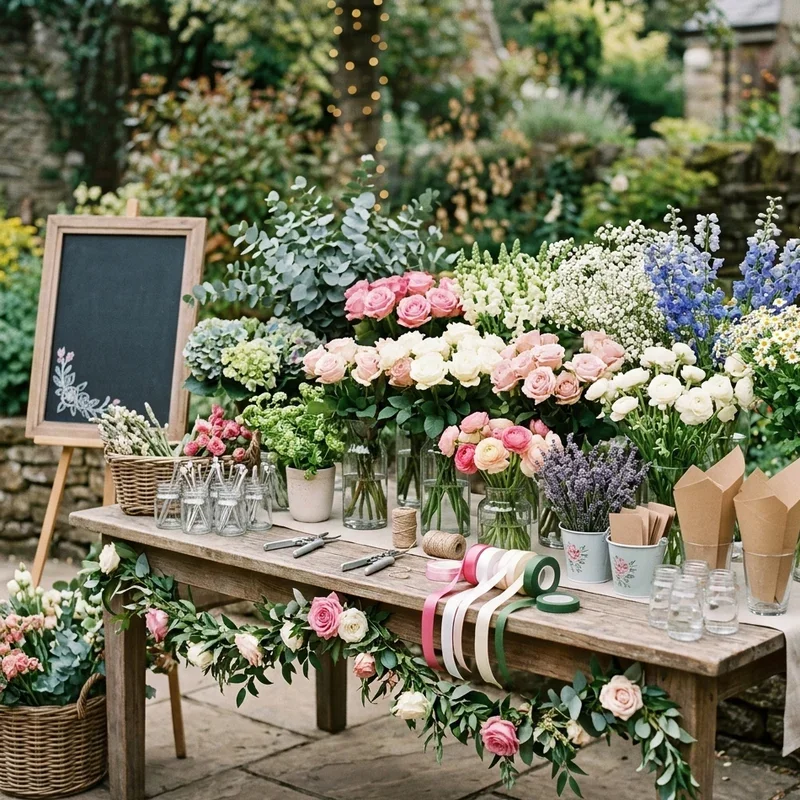
The wedding day typically kicks off long before any guests arrive. Most couples start their preparation routines four to six hours before the ceremony. This includes hair and makeup sessions, getting dressed, photography, and those quiet moments with your wedding party.
Brides generally need more preparation time than grooms, though that's certainly not always the case. Factor in travel time to the venue, any first look photo sessions, and potential delays. Building in buffer time here is absolutely crucial!
How Long Does a Wedding Ceremony Actually Take?
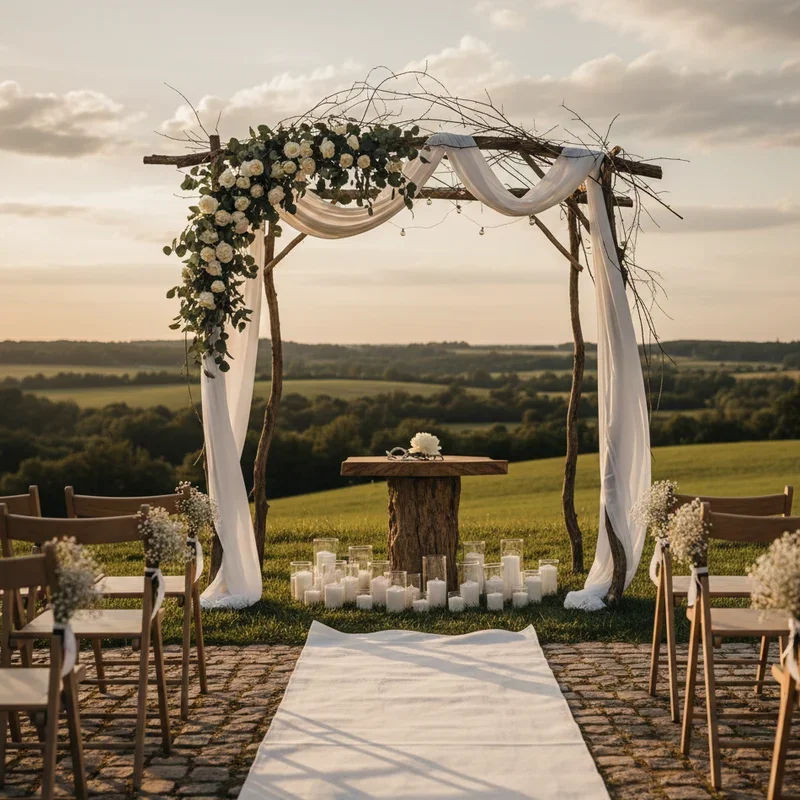
The ceremony is the heart of your wedding day, the moment where everything official happens. But ceremonies come in all shapes and sizes, so let's explore the options.
Religious Ceremonies
Religious wedding ceremonies tend to run longer than civil ones. Here's a general breakdown:
Catholic ceremonies: 45 minutes to one hour (with full Mass, up to 90 minutes)
Jewish ceremonies: 30 to 60 minutes
Hindu ceremonies: 1 to 3 hours (traditional full ceremonies)
Protestant ceremonies: 30 to 45 minutes
Muslim ceremonies: 30 minutes to one hour
These timeframes can vary significantly based on the officiant, the inclusion of additional rituals, and how many readings or musical performances you incorporate.
Civil and Non-Religious Ceremonies
Civil ceremonies typically clock in at the shorter end of the spectrum, usually lasting between 15 and 30 minutes. They include the legal requirements, vows, ring exchange, and the big kiss. Simple, sweet, and to the point!
Non-religious but personalized ceremonies fall somewhere in the middle. Couples who write their own vows, include unity ceremonies, or have multiple readings might find their ceremony stretching to 30 or 45 minutes.
Factors That Extend Ceremony Length
Several elements can add time to your ceremony:
Multiple readings or poems
Special musical performances
Unity ceremonies (sand, candles, wine, etc.)
Cultural rituals and traditions
Large wedding parties with extended processionals
Communion or other religious sacraments
The Cocktail Hour Sweet Spot
Ah, cocktail hour! That magical buffer between the ceremony and reception where guests mingle, sip drinks, and snack on delicious appetizers. But how long should this portion really be?
Standard Cocktail Hour Duration
Most cocktail hours run for, you guessed it, about one hour. However, the range typically falls between 45 minutes and 90 minutes depending on various circumstances.
This time serves multiple purposes. It gives the newlyweds privacy for photos, allows the venue to flip the ceremony space into reception mode, and keeps guests happily entertained during the transition.
When to Extend or Shorten
Consider extending your cocktail hour if:
You need extensive photo time with large family groups
Your venue requires significant setup time between ceremony and reception
You want a more relaxed, social atmosphere
On the flip hand, shorten cocktail hour if:
Your ceremony and reception occur in separate spaces requiring no transition
You've completed most photos before the ceremony
Your guest list includes many elderly guests or families with young children
How Long Does a Wedding Reception Last?
The reception is where the real party happens! Dancing, dining, toasting, and celebrating your new marriage with everyone you love. But managing reception time requires some careful thought.
Typical Reception Duration
Wedding receptions generally last three to five hours. A four-hour reception hits the sweet spot for most couples, providing enough time for all the traditional elements without dragging on too long.
During this time, you'll typically fit in:
Grand entrance and first dance
Welcome speech and blessing
Dinner service
Toasts and speeches
Parent dances
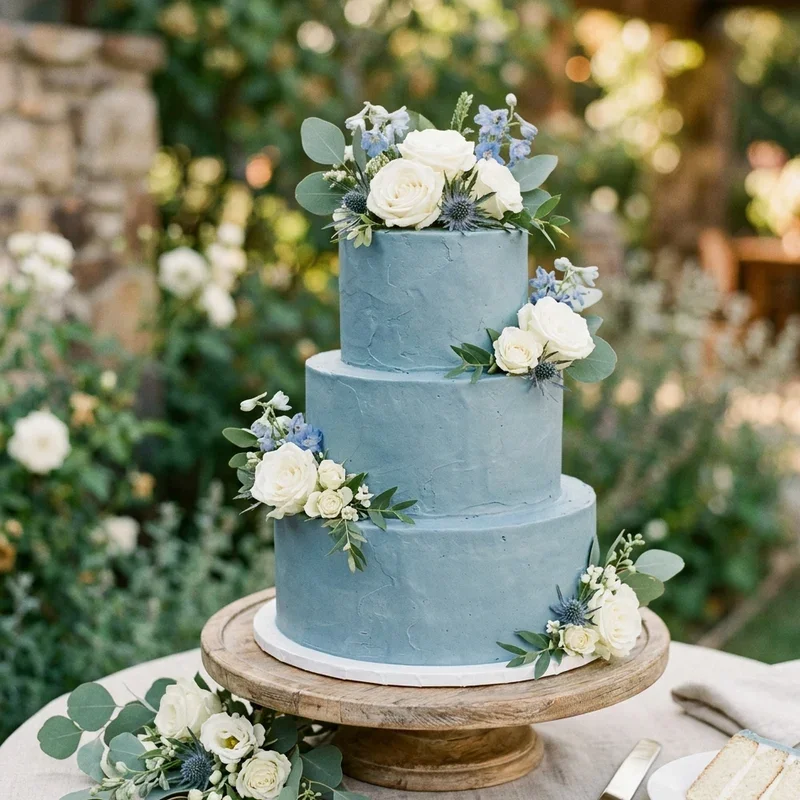
Cake cutting
Bouquet and garter toss (if desired)
Open dancing
Last dance and send-off
Breaking Down Reception Segments
Let's get specific about timing for each reception element:
Cocktails to Dinner Transition: 15 to 20 minutes First Dance and Entrance: 5 to 10 minutes Dinner Service: 60 to 90 minutes (depends on service style) Speeches and Toasts: 15 to 30 minutes Special Dances: 10 to 15 minutes Cake Cutting: 10 minutes Open Dancing: 90 to 120 minutes Send-off Preparation: 15 minutes
Full Event Duration Tips for Seamless Timing
Now that we've covered the basics, let's talk strategy. Knowing how long does a wedding last is important, but having full event duration tips for execution makes all the difference.
Create a Detailed Timeline
Working with your wedding planner or coordinator, create a minute-by-minute timeline for your entire day. Share this document with all vendors, your wedding party, and family members who have roles to play. When everyone knows the schedule, things flow much more smoothly.
Build in Buffer Time
Here's a golden rule. Whatever timeline you create, add 15 to 20 percent more time than you think you'll need. Running behind schedule is practically a wedding tradition at this point! Buffer time absorbs delays without throwing off your entire evening.
Communicate with Your DJ or Band
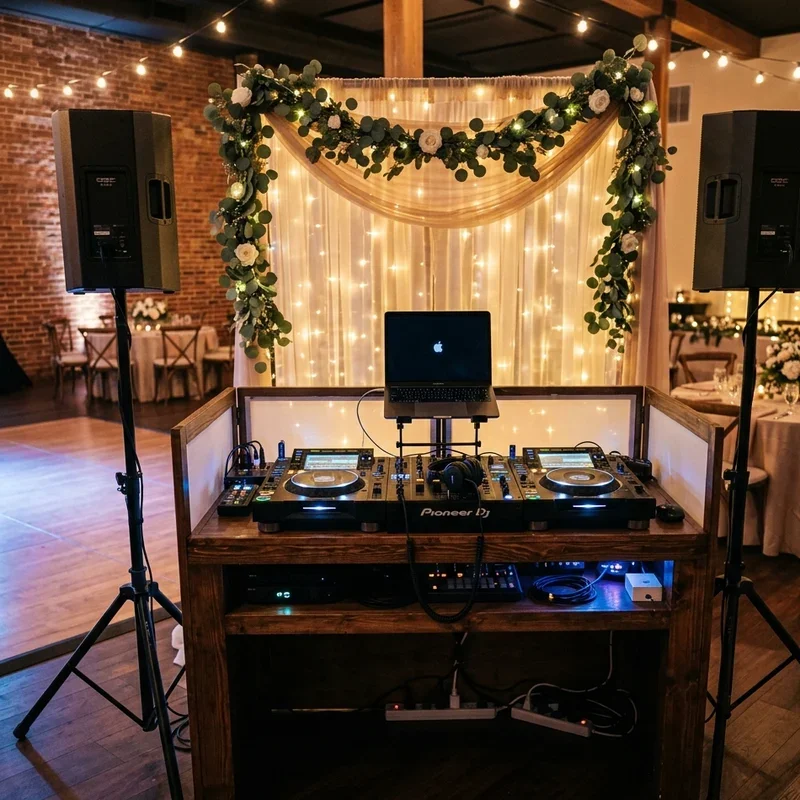
Your entertainment vendor essentially controls reception flow. Have a detailed conversation about your must-have moments, any songs you definitely want or want to avoid, and how you'd like transitions handled. A skilled DJ keeps energy high and timing tight.
Consider Guest Comfort
Long weddings can be wonderful, but they can also exhaust your guests. If your celebration runs more than five hours, think about ways to keep people comfortable. Provide seating options, offer snacks beyond dinner, and ensure the bar stays stocked.
Account for Venue Restrictions
Many venues have strict end times due to noise ordinances, permit limitations, or staffing considerations. Know your venue's rules and build your timeline backward from the required end time. There's nothing worse than getting kicked out mid-celebration!
Factors That Influence Wedding Duration
Every wedding is unique, and various elements impact how long your celebration will run.
Guest Count
Larger weddings naturally take longer. More guests mean longer receiving lines, extended dinner service, and more people wanting their moment with the happy couple. A 50-person wedding operates very differently than a 300-person event.
Venue Type and Location
Destination weddings might span multiple days with various events. Estate weddings with ceremony and reception on-site can run more efficiently than celebrations requiring transportation between locations. Urban venues often have stricter time limitations than private properties.
Cultural and Religious Traditions
Different cultures celebrate marriage in wonderfully diverse ways. Some traditions involve multiple days of festivities, elaborate rituals, and extended family gatherings. Honor your heritage while also communicating expectations to guests who might be unfamiliar with your traditions.
Service Style
How you serve dinner significantly impacts timing:
Buffet service: 45 to 60 minutes
Plated service: 60 to 90 minutes
Family-style service: 60 to 75 minutes
Food stations: 45 to 60 minutes
Heavy appetizers only: 30 to 45 minutes
Entertainment Choices
Live bands typically require more setup and break time than DJs. Photo booths need operating hours. Specialty entertainment like fireworks or performers requires scheduling around other events. Factor in all your entertainment elements when building your timeline.
Tips for Different Wedding Styles
Different wedding formats call for different timing approaches. Here's how duration varies by style.
Intimate Micro Weddings
With fewer than 50 guests, micro weddings can be beautifully efficient. Expect total duration of three to four hours, with shorter transitions and more personal moments.
Traditional Formal Weddings
Classic formal affairs typically run five to six hours including a longer ceremony, structured reception, and all traditional elements. These weddings follow time-honored formats and pacing.
Casual Backyard Celebrations
Laid-back celebrations might run anywhere from three to eight hours depending on the vibe you're creating. Without formal structure, these events often flow organically based on how guests are enjoying themselves.
Destination Wedding Weekends
When guests travel for your wedding, celebrations often extend beyond a single event. Welcome parties, morning-after brunches, and group activities can turn your wedding into a multi-day affair.
Common Timing Mistakes to Avoid
Learning from others' experiences helps you sidestep potential pitfalls.
Scheduling photos only after the ceremony, eating into reception time
Allowing too many speeches that run overtime
Forgetting travel time between locations
Not communicating timeline to guests
Skipping cocktail hour without alternative guest entertainment
Ending the party too early when guests are still enjoying themselves
Running too late and exhausting everyone
Conclusion
Understanding how long does a wedding last and implementing these full event duration tips empowers you to create a perfectly paced celebration. Most weddings run four to six hours for the main events, though your total day commitment spans much longer. By building detailed timelines, adding buffer time, and communicating clearly with vendors and guests, you'll ensure your special day flows beautifully. Remember, the goal is creating joyful memories, not racing against the clock!
Read next: 15 Wedding Pasta Bar Ideas for a Crowd-Pleasing Reception
Frequently Asked Questions
1. How long does a typical wedding ceremony last on average?
Most wedding ceremonies last between 20 and 45 minutes depending on religious or civil format.
2. What is the ideal duration for a wedding reception?
Wedding receptions ideally last four hours, allowing time for all traditional activities comfortably.
3. Can a wedding be too long for guests?
Yes, weddings exceeding six hours can exhaust guests, especially elderly attendees and young children.
4. How much buffer time should couples add to timelines?
Add 15 to 20 percent extra time throughout your wedding day schedule for delays.
5. Does guest count affect how long weddings last?
Absolutely, larger guest counts extend dinner service, photos, and overall event duration significantly.
Stay up to date with our latest ideas!