When to Cut the Cake at a Wedding Reception
Wondering when to cut the cake at a wedding reception? Discover the best timing tips to make your cake cutting moment truly unforgettable.
So you've picked out the perfect three-tier masterpiece, tasted about a dozen flavor samples, and argued with your partner over whether fondant or buttercream reigns supreme. Now there's just one tiny detail left to sort out. When exactly are you supposed to cut that gorgeous creation during your reception? It might sound like a small thing, but believe me, the timing of your cake cutting can make or break the flow of your entire celebration. The question of when to cut the cake at a wedding reception pops up more often than you'd expect in wedding planning forums and group chats. And honestly, it deserves a proper answer because there's no single right moment that works for every couple. Your reception timeline, guest count, venue logistics, and personal preferences all play a part in figuring this out.
Understanding the Traditional Timeline for When to Cut the Cake at a Wedding Reception
Back in the day, cutting the wedding cake was pretty much the grand finale of the evening. Your grandparents probably did it toward the very end of the reception, right before heading off on their honeymoon. That old-school approach had its charm, no doubt about it. Guests would gather around, watch the couple slice into that beautiful dessert, and then everyone would enjoy a piece before calling it a night.
Traditionally, the cake cutting happened after all the formalities were wrapped up. We're talking about after the first dance, after the toasts, after the bouquet toss, and after all the other reception rituals had their moment in the spotlight. It served as a signal to guests that the evening was winding down and that it was perfectly okay to start heading home if they wanted to.
But here's the thing. Weddings have changed a whole lot over the years, and sticking rigidly to that old timeline doesn't always make sense anymore. Receptions run longer these days, and couples want more flexibility with how their evening unfolds. Still, understanding where the tradition comes from gives you a solid starting point for building your own schedule.
Why the Timing of Your Cake Cutting Actually Matters
You might be wondering why anyone would stress over something as simple as slicing a cake. Well, it turns out that the timing of this moment has a ripple effect on several other parts of your reception. Getting it wrong can lead to some awkward gaps in your evening or, worse, a half-empty dance floor when the big moment arrives.
First off, your caterer and venue coordinator need to know when the cake cutting is happening so they can plan dessert service accordingly. If you wait too long, your kitchen staff might be twiddling their thumbs while your guests are eyeing that gorgeous cake from across the room. On the flip side, cutting it too early might feel rushed and take away from the buildup of excitement.
Photography is another huge factor. Your photographer needs decent lighting and a clear sightline to capture those iconic shots of you and your partner with frosting on your noses. If you schedule the cake cutting during peak dancing time, you might lose half your crowd to the dance floor, and your photos could end up looking a bit sparse. Think of it like setting the stage for a performance. You want your audience present, engaged, and ready to cheer you on.
Then there's the guest experience to consider. Some of your older relatives or guests with young kids might not stick around until midnight. If you push the cake cutting too late, they could miss out entirely. And let's be real, nobody wants Grandma to leave without getting her slice of cake.
The Best Times to Cut the Cake Based on Your Reception Style
Every wedding has its own vibe, and the ideal cake cutting moment depends heavily on what kind of party you're throwing. Here are some common reception styles and when the cake cutting fits best for each one.
For a classic sit-down dinner reception, cutting the cake right after dinner service wraps up tends to work beautifully. Your guests are still seated, everyone's in a good mood from the meal, and it creates a natural transition into the dessert course. This usually falls about two to two-and-a-half hours into the reception, which keeps things moving without feeling rushed.
If you're going the cocktail party route with heavy appetizers instead of a formal meal, you've got more wiggle room. Many couples in this situation choose to cut the cake about an hour and a half into the reception. It gives guests something sweet to munch on while they're mingling and keeps the energy up throughout the evening.
For those throwing a late-night dance party vibe, pushing the cake cutting to after the main dancing session can work really well. Think of it as a sweet intermission. Guests can grab a slice, catch their breath, and then get right back to tearing up the dance floor. This approach works especially well if you've got a DJ or band that knows how to keep the momentum going.
Outdoor or daytime receptions call for a slightly different approach altogether. Since these events tend to wrap up earlier, you'll want to move the cake cutting up in your timeline. Aim for about an hour after the meal or even during the cocktail hour if you're keeping things casual and relaxed.
Factors That Should Influence Your Decision
Picking the right time isn't just about tradition or reception style. There are a handful of practical considerations that should weigh into your decision as well.
Your guest list size plays a role here. If you've invited 200 people, the catering team needs ample time to slice and serve all those pieces. Cutting the cake too late could mean guests are waiting forever for their dessert, and nobody wants that. A good rule of thumb is to give your caterer at least 30 to 45 minutes of lead time before you want everyone served.
The type of cake you've chosen matters too. A multi-tiered fondant masterpiece takes more time and care to slice than a simple sheet cake. If your cake is particularly elaborate or has structural elements like columns or stacked layers, you might want to coordinate with your baker about the best approach. Some couples even have a display cake for the cutting ceremony and a separate sheet cake in the kitchen for actually serving guests. Clever, right?
Weather conditions can throw a wrench in your plans if you're hosting an outdoor event. A buttercream cake sitting in the sun for hours isn't going to look its best by the time you get around to cutting it. In hot weather, you'll definitely want to move the cake cutting earlier in your timeline to avoid a melty disaster.
Your entertainment schedule should also factor in. If your band takes a break at a specific time, that could be a natural window for the cake cutting. Conversely, you probably don't want to interrupt a killer dance set just to slice some cake. Coordination with your entertainment is key to making everything feel seamless.
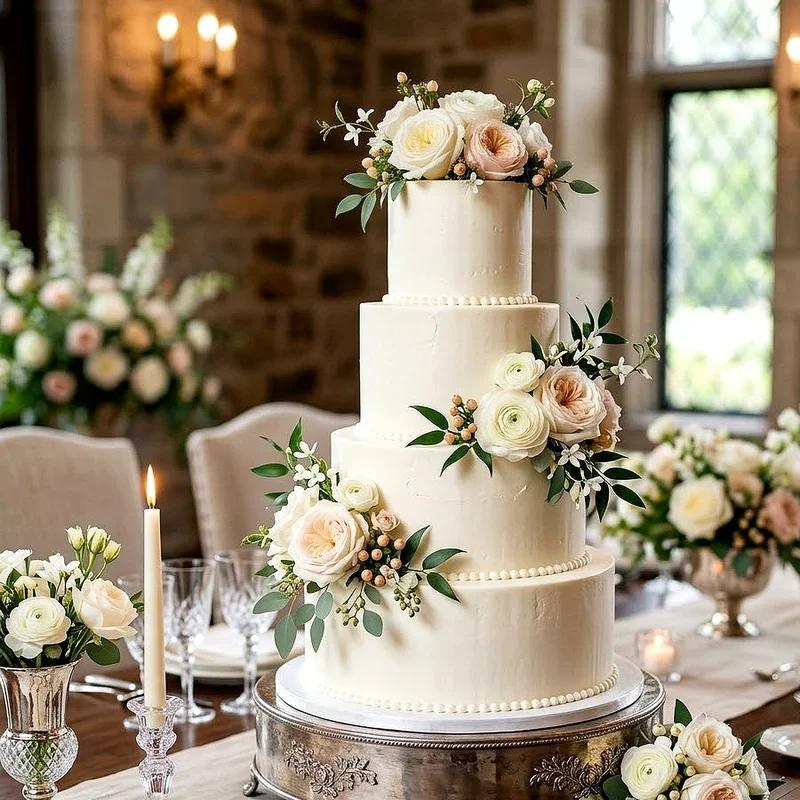
Modern Trends That Are Changing When to Cut the Cake at a Wedding Reception
The wedding industry is always evolving, and cake cutting traditions are no exception. More and more couples are throwing the rulebook out the window and doing things their own way. Here are a few trends that are shaking things up.
Some couples are opting for a dessert table or dessert bar instead of a traditional cake. In these cases, the cake cutting becomes more of a symbolic gesture rather than the main dessert event. They'll cut a small cake for photos and tradition, and then guests help themselves to an array of sweets throughout the evening. This approach takes a lot of pressure off the timing since guests can grab treats whenever they please.
Private cake cuttings are gaining popularity too. Instead of making it a big production in front of all their guests, some couples sneak away for a quiet moment together to cut the cake. It's intimate, it's sweet, and it takes the stress out of performing in front of a crowd. The photographer still gets the shots, but it feels more personal and less like a scheduled event.
Another trend worth mentioning is the brunch or afternoon wedding reception. These shorter events mean the cake cutting often happens much earlier than at a traditional evening reception. Many brunch couples cut the cake right after the meal, and it doubles as the send-off moment. Guests grab a slice on their way out, which is honestly a pretty delightful way to end a celebration.
Tips for Making Your Cake Cutting Moment Memorable
No matter when you decide to cut the cake, there are a few things you can do to make sure the moment really shines.
Talk to your DJ or band ahead of time about playing a special song during the cake cutting. It doesn't have to be anything over the top. A sweet, lighthearted tune that means something to you as a couple sets the mood perfectly. This small detail adds a personal touch that guests will remember.
Practice your cutting technique beforehand. It sounds silly, but you'd be surprised how many couples fumble with the cake knife on the big day. Your baker can give you tips on where to cut and how to hold the knife properly. A little rehearsal goes a long way toward making you look like a pro when the cameras are rolling.
Decide in advance whether you're going to do the traditional cake feeding or skip it. Some couples love the playful smash-the-cake-in-your-face moment, while others prefer a more refined approach. Whatever you choose, make sure you and your partner are on the same page. Surprising each other with a face full of frosting when the other person isn't expecting it can go sideways fast.
Have your wedding planner or coordinator give your photographer a heads-up about five minutes before the cake cutting. This gives them time to get in position, adjust their lighting, and make sure they're ready to capture every moment. The last thing you want is to start cutting before your photographer has even grabbed their camera.
Consider the background of your cake cutting photos too. If your cake table is pushed against a plain wall, you might want to add some simple decor like candles or flowers to make the setting more photogenic. A little attention to the visual details goes a long way in creating stunning images.
Common Mistakes to Avoid with Your Cake Cutting Timeline
Even with the best intentions, couples sometimes stumble when it comes to planning their cake cutting. Here are some pitfalls you'll want to steer clear of.
Waiting until the very end of the night is probably the most common mistake. By that point, a good chunk of your guests may have already left, and the energy in the room is fading. You'll end up cutting your beautiful cake in front of a half-empty room, and that's not the vibe anyone's going for.
Forgetting to coordinate with your caterer is another biggie. Your kitchen team needs a heads-up so they can prepare plates and utensils. If you spring the cake cutting on them without warning, the whole serving process becomes chaotic and slow.
Not accounting for travel time between ceremony and reception spaces can also throw off your schedule. If there's a long gap between your ceremony and when guests actually arrive at the reception venue, your timeline gets compressed. Build in some buffer time so you're not rushing through important moments just to stay on track.
Skipping the cake cutting altogether without telling your guests can also cause confusion. If people are expecting a traditional cake moment and it never happens, they might wonder if they missed it. If you've decided to forgo the cake cutting, a quick mention from your DJ or emcee clears things up nicely.
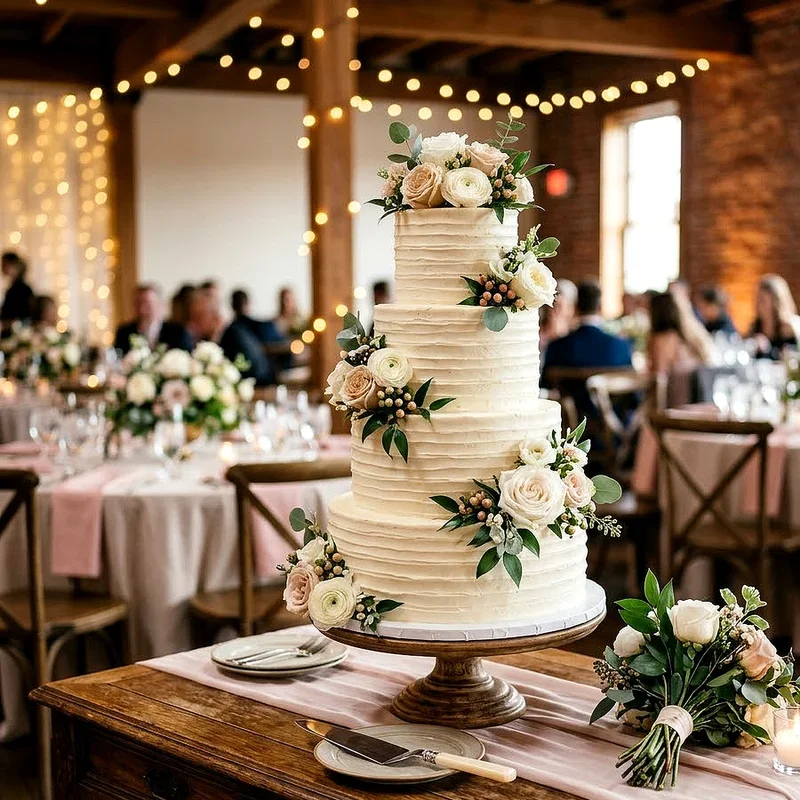
How to Communicate Your Timeline to Vendors and Guests
Once you've settled on the perfect time for your cake cutting, the next step is making sure everyone who needs to know is actually in the loop. Communication is everything when it comes to pulling off a smooth reception.
Create a detailed timeline document and share it with all your vendors at least two weeks before the wedding. This should include your caterer, photographer, videographer, DJ or band, and venue coordinator. Highlight the cake cutting time so nobody misses it. A quick email with the timeline attached usually does the trick.
Your wedding party should also know the general schedule. They don't need every single detail, but letting them know roughly when the cake cutting is happening helps them be available for photos and support. Plus, your maid of honor or best man can help wrangle guests to the cake area when the time comes.
For guests, you don't necessarily need to announce the exact time in advance. But if you're doing a destination wedding or a reception with multiple rooms, having your emcee give a five-minute warning keeps everyone together for the moment. A simple "the couple will be cutting the cake shortly" announcement works wonders for getting people to gather around.
Conclusion
Figuring out when to cut the cake at a wedding reception doesn't have to be stressful. By considering your reception style, guest count, and vendor needs, you can find the sweet spot that keeps everything flowing naturally. Whether you go traditional or put your own spin on things, the key is planning ahead and communicating your timeline clearly. At the end of the day, it's your celebration, so trust your instincts and enjoy every bite of that beautiful cake.
Read next: 15 Fall Wedding Cake Ideas for a Stunning Seasonal Display
Frequently Asked Questions
Q1. What is the most popular time to cut a wedding cake?
A: Most couples cut the cake about two hours into their wedding reception.
Q2. Should we cut the cake before or after dancing begins?
A: Cutting before dancing starts ensures more guests are present for photos.
Q3. Can we skip the cake cutting ceremony at our wedding reception?
A: Absolutely, many modern couples choose to skip this tradition entirely.
Q4. How long does serving wedding cake typically take after cutting?
A: Serving usually takes about twenty to thirty minutes depending on guest count.
Q5. Is it okay to cut the cake during the cocktail hour?
A: Yes, some couples prefer a casual cake cutting during the cocktail hour.
Stay up to date with our latest ideas!