How Long Is a Normal Engagement? Average Timeline
Wondering how long is a normal engagement? Discover the average timeline, key factors, and tips to plan your perfect path to marriage.
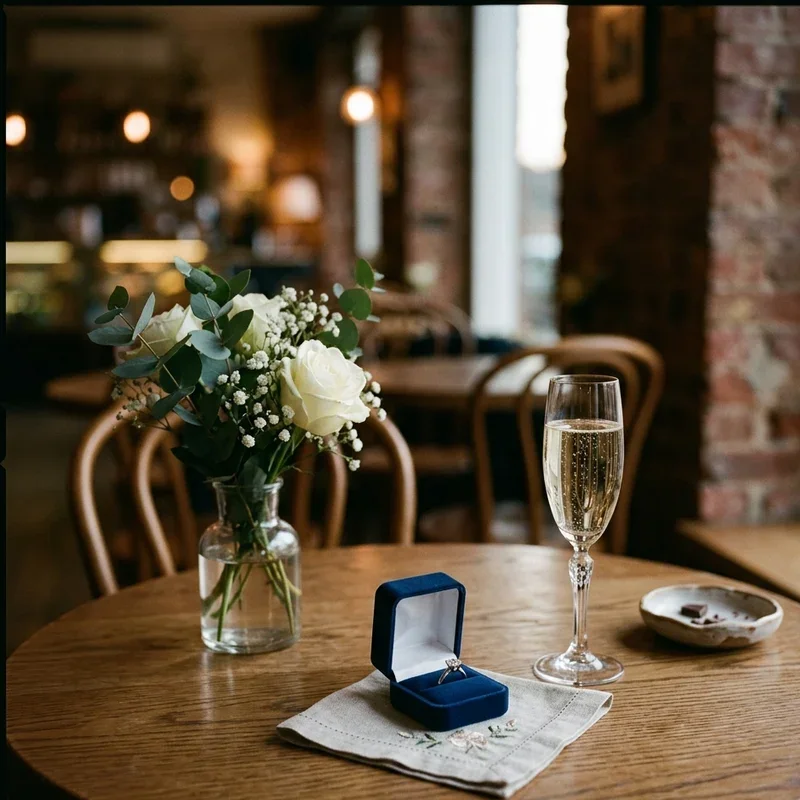
Ah, the moment after the proposal! Your heart's racing, the ring's sparkling, and then reality taps you on the shoulder with a big ol' question: how long should we actually wait before saying "I do"? It's a head-scratcher that trips up plenty of newly engaged couples. Some folks rush to the altar in months, while others take their sweet time over several years. So what's normal anyway? Truth be told, there's no one-size-fits-all answer, but there are definitely patterns worth knowing. Stick around, because we're about to unpack the typical engagement timeline and help you figure out what fits your love story best.
How Long Is a Normal Engagement? Average Timeline at a Glance
Let's cut right to the chase, shall we? In most cases, couples stay engaged somewhere between twelve and eighteen months. That's the sweet spot for the majority of folks tying the knot these days. Why this range? Well, it gives lovebirds enough breathing room to plan a wedding without dragging things out forever. Of course, this is just an average, and averages can be sneaky little things. Some couples wrap up the whole shebang in under six months, while others happily coast along for two or three years. So when someone asks how long is a normal engagement, the honest reply is: it really depends on you two.
Why Engagement Length Varies So Much
Here's the thing, no two couples march to the same drumbeat. One pair might be itching to start their married life pronto, while another wants to savor every second of being engaged. Money plays a massive role, obviously. Saving up for a dream wedding takes time, and rushing can leave your bank account gasping for air. Then there's life logistics, like finishing school, landing a steady job, or buying a house. Family expectations sneak into the mix too, sometimes pushing couples one way or another. Honestly, the variation makes perfect sense once you realize how many moving parts go into planning a life together.
The Most Common Engagement Timeline
So what does the typical journey look like from "yes" to "I do"? While every couple's path twists and turns differently, a general rhythm tends to emerge. Here's how things usually unfold for most folks.
The proposal and celebration, soaking up the excitement for a few weeks.
Setting a budget and a rough date, usually within the first month or two.
Booking the big-ticket items like the venue and caterer, around the three-month mark.
Tackling the details such as outfits, invitations, and decor over the following months.
Final preparations and the wedding day, typically landing near the one-year point.
This flow gives couples ample time to breathe between milestones. Rushing any step can feel like cramming for an exam the night before, and nobody enjoys that kind of stress.
How Long Is a Normal Engagement? Average Timeline by Generation
Believe it or not, engagement lengths have shifted quite a bit over the decades. Back in your grandparents' day, short engagements were all the rage, with many couples wed within a few months. Times have changed, though, and modern couples tend to take longer strolls down the aisle. Younger generations often prioritize financial stability and career goals before committing to a wedding date. Millennials and Gen Z, in particular, aren't shy about extending their engagements to get everything just right. They'd rather wait and nail the details than scramble at the last minute. So if you're wondering how long is a normal engagement nowadays, longer waits are increasingly the norm.
Short Engagements: The Need for Speed
Some couples don't want to wait around twiddling their thumbs. A short engagement, often three to six months, suits folks who crave simplicity or have a clear vision. Maybe they've been together for ages and see no reason to delay. Perhaps a small, intimate ceremony is the goal, requiring far less planning. Whatever the reason, quick engagements come with their own set of perks and pitfalls.
The upsides include:
Less time for cold feet or second-guessing to creep in.
Lower overall stress since the planning window stays compact.
Cheaper costs when you opt for smaller, simpler celebrations.
That said, you'll need to hustle, and finding available venues on short notice can feel like searching for a needle in a haystack. It's not for the faint of heart.
Long Engagements: Taking the Scenic Route
On the flip side, plenty of couples happily settle in for the long haul. A long engagement, stretching beyond two years, gives folks room to breathe and plan at a leisurely pace. This route works wonders for those saving up serious cash or juggling demanding careers. It also lets couples truly relish the engaged chapter of their relationship without the pressure of a ticking clock. However, dragging things out too long can sometimes lead to wedding fatigue or shifting priorities. The key is staying on the same page about your reasons. As long as both partners feel content, there's absolutely nothing wrong with taking the scenic route to the altar.
Factors That Influence Your Timeline
Wondering what'll shape your own engagement length? Loads of things, actually. Every couple weighs different priorities, and that's perfectly fine. Let's break down the biggest influencers so you can map out your own plan.
Budget and how long it takes to save for the wedding you want.
Venue availability, since popular spots book up a year or more ahead.
Season preferences, with summer and fall weddings being especially competitive.
Personal milestones like graduations, job changes, or relocations.
Family input and the desire to accommodate loved ones' schedules.
Once you sort through these factors, the right timeline often reveals itself naturally. Think of it like piecing together a puzzle where each part finally clicks into place.
How Long Is a Normal Engagement? Average Timeline Versus Your Reality
Here's a gentle reminder: averages are just numbers, not commandments carved in stone. Sure, the typical couple waits a year or so, but your relationship isn't a statistic. What matters most is what feels right for the two of you. Maybe you're ready to elope next month, or perhaps you'd rather wait until you've bought a cozy little home together. Neither choice is wrong. Don't let outside pressure or comparison games steal your joy. The beauty of an engagement lies in tailoring it to your unique love story. So take a deep breath, talk it through with your partner, and chart a course that genuinely suits you both.
Signs You Might Want a Shorter Engagement
Feeling the pull to speed things up? There are telltale signs that a shorter engagement could be your jam. For one, if you've already lived together and know each other inside out, lengthy planning might feel unnecessary. If you prefer low-key celebrations over elaborate productions, you won't need much lead time. Folks who hate prolonged anticipation often thrive with a tighter schedule too. Additionally, if your budget is set and your guest list is small, why wait? Sometimes the simplest path is the most fulfilling. Trust your gut, because you know your relationship better than anyone peering in from the outside.
Signs a Longer Engagement Makes Sense
Conversely, certain situations practically scream for patience. If you're still saving up for that picture-perfect wedding, rushing could leave you drowning in debt. Couples planning large, intricate celebrations naturally need more runway to coordinate everything. Major life transitions, like finishing a degree or starting a new job, also call for a slower approach. If either partner feels even a smidge unsure, extra time can provide valuable clarity. And hey, if you simply love being engaged, there's no shame in stretching it out. A longer engagement isn't a red flag; it's just a different, equally wonderful journey toward forever.
Tips for Making the Most of Your Engagement
No matter how long your engagement lasts, you'll want to enjoy every minute of it. This special season flies by faster than you'd expect, so soak it up. Here are some handy tips to keep things smooth and joyful along the way.
Communicate openly about expectations, budgets, and priorities right from the start.
Create a realistic timeline with deadlines for each major planning task.
Carve out date nights that have nothing to do with wedding stuff.
Lean on loved ones for support instead of shouldering everything solo.
Stay flexible because surprises pop up, and rolling with them saves your sanity.
Remember, the engagement is about celebrating your love, not just checking boxes off a list. Keep your eyes on the prize and enjoy the ride together.
Common Mistakes Couples Make With Timing
Even the most loved-up couples stumble when it comes to engagement timing. One frequent blunder is booking nothing early and then panicking when venues fill up. Another is letting family members hijack the timeline based on their preferences rather than yours. Some couples underestimate how long certain tasks take, leading to last-minute chaos. Others rush the engagement out of excitement, only to feel overwhelmed later. And let's not forget the folks who wait so long they lose momentum entirely. Avoiding these traps boils down to planning ahead and keeping communication wide open. A little foresight prevents a whole lot of heartache down the line.
Conclusion
So, how long is a normal engagement? Typically, couples spend around twelve to eighteen months between the proposal and the wedding, though anything from a few months to several years can work beautifully. At the end of the day, the perfect timeline is the one that fits your relationship, your goals, and your budget. Don't sweat what everyone else is doing. Talk things over, plan with care, and savor this magical chapter. Whether you sprint or stroll toward the altar, what truly counts is the love you're celebrating.
Read next: 15 Engagement Decoration Ideas for a Beautiful Celebration
Frequently Asked Questions
1.What is the average engagement length for most couples?
Most couples stay engaged for roughly twelve to eighteen months before getting married.
2.Is a six-month engagement too short?
Not at all, though you'll need to plan quickly and stay highly organized throughout.
3.Can an engagement last too long?
Yes, very long engagements may sometimes cause wedding fatigue or shifting priorities over time.
4.Do longer engagements lead to stronger marriages?
There's no guaranteed link; relationship quality matters far more than the actual engagement length.
5.How soon should I book my wedding venue?
Book your venue at least nine to twelve months ahead, especially during peak seasons.
Stay up to date with our latest ideas!