How Tight Should Your Engagement Ring Be?
How tight should your engagement ring be? Discover the perfect fit, sizing tips, and comfort tricks to keep your ring secure all day.
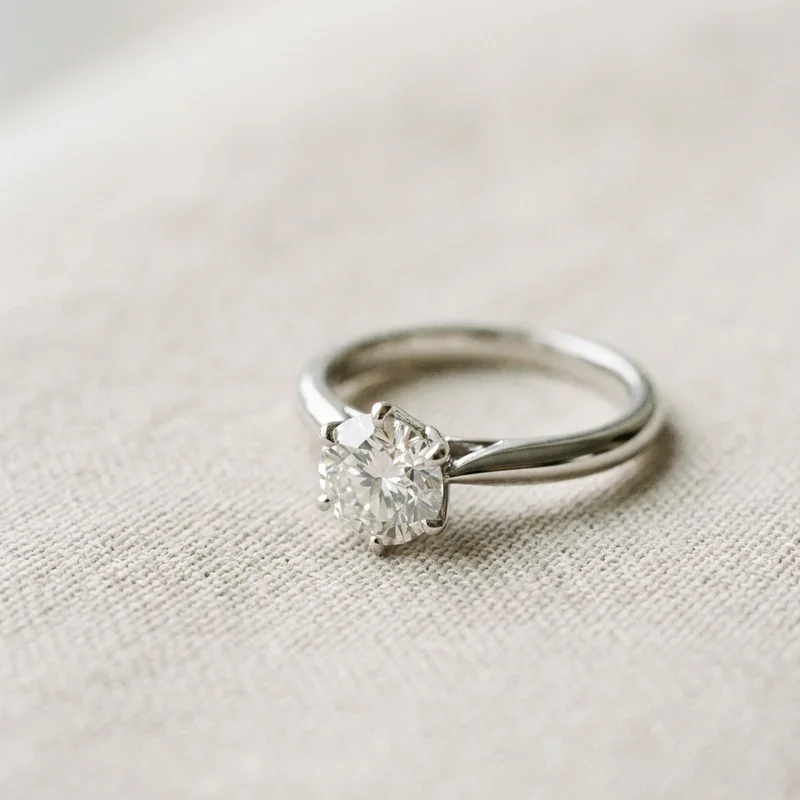
So, you've finally got that gorgeous sparkler on your finger, and now you're wondering something surprisingly tricky. How tight should your engagement ring be? It's one of those questions that sounds simple enough, but trust me, the answer involves a bit more nuance than you'd expect.
Getting the fit just right matters more than most people realize. Too tight and your finger turns into a swollen, uncomfortable mess. Too loose and you're constantly terrified it'll fly off while you're washing dishes or waving at someone across the street. There's a sweet spot, though, and finding it can make the difference between loving your ring and dreading wearing it every single day.
Here's the thing. Your ring size isn't some permanent, carved-in-stone number. Fingers change throughout the day, across seasons, and even over the years. That's why nailing down the perfect fit requires a little knowledge, a dash of patience, and maybe a trip or two to your jeweler. Let's break it all down so you never have to stress about your ring sliding around or cutting off circulation again.
How Tight Should Your Engagement Ring Be for Everyday Comfort?
Let's get straight to the point. Your engagement ring should slide over your knuckle with just a tiny bit of resistance and then sit snugly on your finger without spinning freely. Think of it like a gentle hug, not a death grip. You want to feel it there, but it shouldn't leave marks, cause tingling, or make your skin bulge around the band.
A good rule of thumb is the "slight tug" test. When you try to pull the ring off, it should require a small amount of effort but not so much that you're yanking and twisting like you're opening a stubborn jar. If it pops right off without any friction, that's too loose. If you need soap, ice water, and a prayer to remove it, well, that's obviously way too tight.
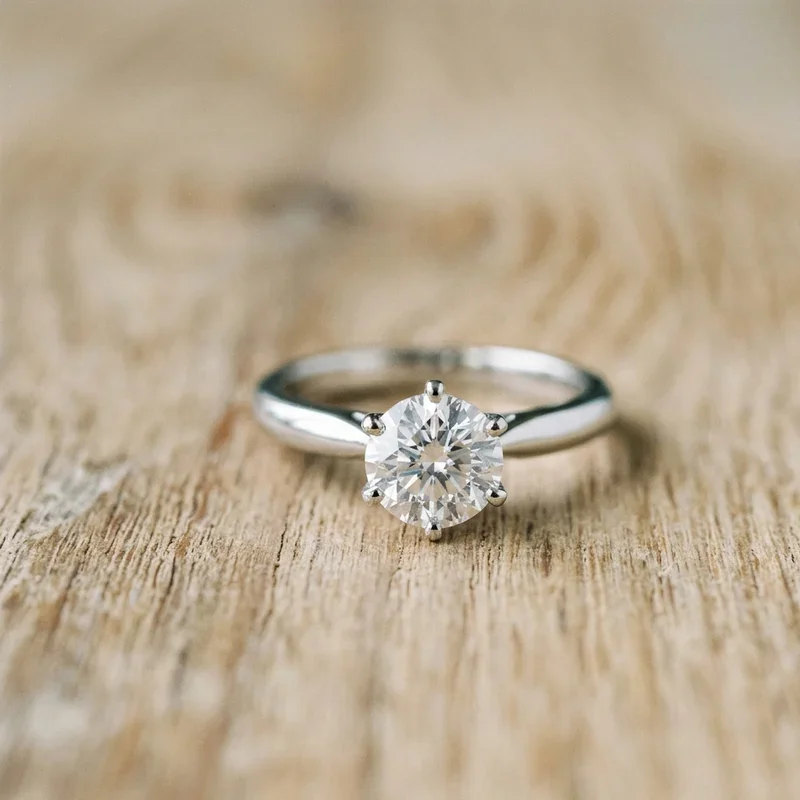
Jewelers often talk about comfort fit versus standard fit bands, and this distinction actually plays a big role. Comfort fit bands have a slightly domed interior that makes them easier to slide on and off, even when the sizing is spot on. Standard fit bands sit flatter against your finger, which means the same size might feel tighter in a standard band compared to a comfort fit one. Knowing which style you have helps you gauge whether your current fit is actually right.
Why Ring Fit Changes Throughout the Day
Here's something that catches a lot of people off guard. Your fingers aren't the same size at 7 AM as they are at 7 PM. In the morning, your hands tend to be slimmer because you've been resting and your body temperature is lower. As the day goes on, blood flow increases, you move around, and your fingers naturally swell a bit.
This is exactly why jewelers recommend getting sized in the afternoon or evening. If you size your ring first thing in the morning when your fingers are at their thinnest, you might end up with a ring that feels perfect at breakfast but uncomfortably tight by dinner. Nobody wants to spend their evening tugging at a ring that felt fine six hours ago.
Temperature matters a whole lot too. Cold weather shrinks your fingers, sometimes by as much as half a size. Hot, humid days do the opposite and puff them up. So if you got sized during a summer heat wave, don't be surprised when your ring starts feeling loose come December. It doesn't mean something's wrong with the ring. It means your body is doing exactly what bodies do.
Other factors that affect finger size throughout the day include salt intake, exercise, hydration levels, and even hormonal changes. If you ate a salty meal, your body retains water and your fingers might swell noticeably. After a tough workout, increased blood flow can make your ring feel snugger than usual. These fluctuations are totally normal, and the right ring size accounts for this natural variation.
The Knuckle Problem and How to Deal With It
Ah, the classic knuckle dilemma. Plenty of people have larger knuckles relative to the base of their finger, and this creates a real sizing headache. If you size the ring to fit over your knuckle comfortably, it ends up spinning and sliding around once it's past that bump. Size it to fit the base of your finger snugly, and good luck getting it on and off without a struggle.
For folks dealing with this issue, there are actually several clever solutions. Ring size adjusters are small, inexpensive inserts that attach to the inside of the band to take up extra space at the base of your finger. They're practically invisible and can be removed whenever you want. Another option is a hinged shank, which opens on one side so you can place the ring on your finger without forcing it over the knuckle at all.
Some jewelers also offer sizing beads, which are tiny metal balls soldered inside the band at the bottom. They create just enough friction to keep the ring from spinning without making it harder to get on and off. Speed bumps work similarly, using small bars inside the band to grip your finger gently.
If none of these solutions appeal to you, the general advice is to size up slightly to accommodate the knuckle and then use one of these methods to keep the ring stable. It's a compromise, sure, but it beats having a ring that either won't go on or won't stay put.
Signs Your Engagement Ring Is Too Tight
Sometimes it's hard to tell whether your ring is genuinely too tight or if you're just not used to wearing jewelry. Here are some clear signals that your ring needs loosening up.
Your finger develops a noticeable indentation even after wearing the ring for a short time. While some imprint is normal after hours of wear, deep grooves that last a long time after removal suggest the ring is compressing your finger too much.
The skin above and below the band looks puffy or swollen. When a ring is too tight, it acts like a tourniquet and prevents proper circulation. Your finger might look slightly discolored compared to your other fingers, sometimes appearing reddish or even bluish.
You experience tingling, numbness, or a throbbing sensation in the ring finger. These are signs that blood flow is being restricted, and you shouldn't ignore them. Wearing a too-tight ring regularly can actually cause nerve issues over time.
Removing the ring requires significant effort every single time. If you consistently need to use lotion, soap, or cold water just to get it off, that's your ring telling you it needs to be a bit bigger. An occasional tight day due to swelling or heat is one thing, but daily struggles are a red flag.
Signs Your Engagement Ring Is Too Loose
On the flip side, a ring that's too loose comes with its own set of worries. Here's how to tell if yours needs tightening.
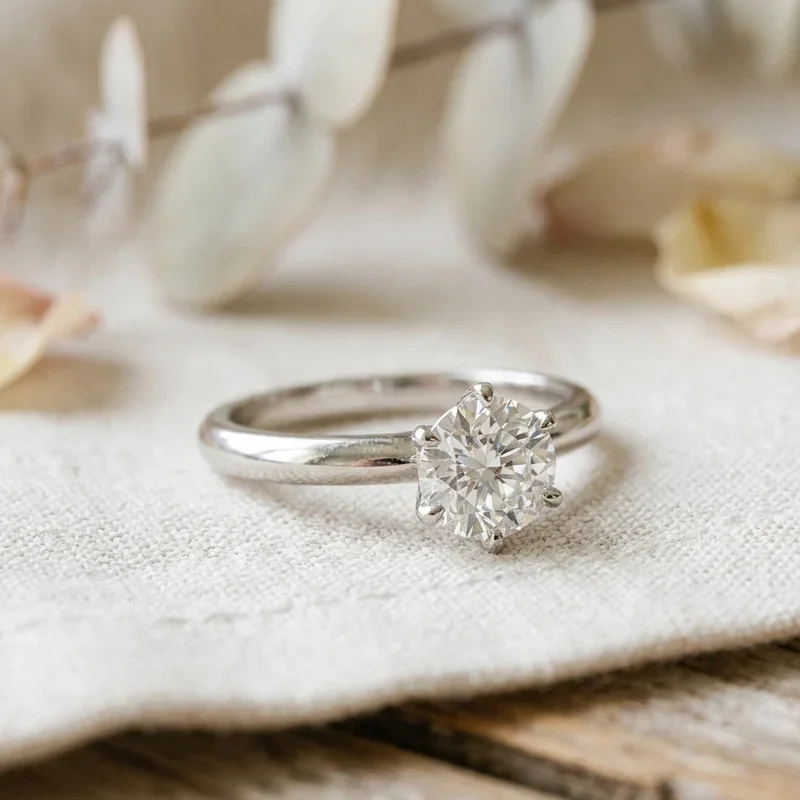
The ring slides off your finger easily when your hand is relaxed or pointing downward. Try holding your hand out with your fingers aimed at the floor and shaking gently. If the ring starts creeping toward your fingertip, it's too big.
It spins freely around your finger throughout the day. Some movement is normal, especially with wider bands, but if your ring is constantly rotating so the center stone faces your palm or sideways, the fit is off.
You find yourself fidgeting with the ring constantly, pushing it back into place or clenching your fist to keep it secure. This kind of unconscious adjusting means you don't trust the fit, and rightfully so.
You're genuinely afraid of losing it during everyday activities. Washing your hands, exercising, swimming, or even gesturing while talking shouldn't feel like a high-stakes gamble with your engagement ring.
How to Measure Your Ring Size Accurately
Getting an accurate measurement is half the battle. While those printable ring sizers and string-around-the-finger methods floating around online can give you a ballpark, nothing beats getting professionally sized at a jeweler. Most jewelry stores offer sizing for free, and the whole process takes just a few minutes.
When you go in for sizing, keep a few things in mind. Visit in the afternoon when your fingers are at their average size. Make sure your hands are at a normal temperature, not freezing cold from the walk over or sweaty from rushing around. Try on multiple sizes and wear each one for a few minutes rather than making a snap judgment.
Here's a pro tip many people overlook. Try the ring on and wear it for at least five to ten minutes before deciding. Your finger needs time to adjust, and what feels slightly tight initially might feel perfect after your finger settles into it. Conversely, a ring that seems great at first might reveal itself as too loose once the novelty wears off and you start moving your hand naturally.
If you're shopping online and can't get to a jeweler, order a ring sizing kit. These kits come with a set of plastic or metal bands in various sizes that you can try on at home. They're far more reliable than paper printouts because they replicate the actual width and feel of a ring band.
How Tight Should Your Engagement Ring Be Across Different Seasons?
This is where things get interesting. Since finger size fluctuates with temperature and humidity, some people find that their perfectly fitted ring becomes problematic during certain times of the year. During summer months, your ring might feel snugger due to heat-induced swelling. Winter can make it feel loose enough to slide around.
If you live somewhere with extreme seasonal changes, you've got a couple of options. Some people own a ring adjuster that they pop in during colder months and remove when things warm up. Others actually have their ring resized seasonally, though most jewelers would discourage doing this too frequently since repeated resizing can weaken the band over time.
The most practical approach is to size your ring for the warmer months when your fingers tend to be at their largest. This means it might feel slightly loose in winter, but a temporary ring adjuster solves that problem easily and cheaply. It's much better than having a ring that's comfortable in January but painfully tight come July.
Wide Bands Versus Thin Bands and How Width Affects Fit
Something a lot of folks don't realize is that band width significantly impacts how a ring fits. A wider band covers more surface area on your finger, which creates more friction and makes the ring feel tighter. This means that if you're choosing a wider band style, you'll typically need to go up by about a quarter to half size compared to what you'd wear in a thin band.
This catches people off guard, especially when they try on a wide band in the same size as their thin everyday ring and suddenly it feels like a vise grip. It's not that your finger changed. It's just physics. More metal touching more skin equals more resistance and a tighter sensation.
When trying on different band widths, always size for the specific width you're choosing. Don't assume your size in a 2mm band will translate directly to a 6mm band. Your jeweler should know this, but it never hurts to mention it yourself.
When and How to Get Your Ring Resized
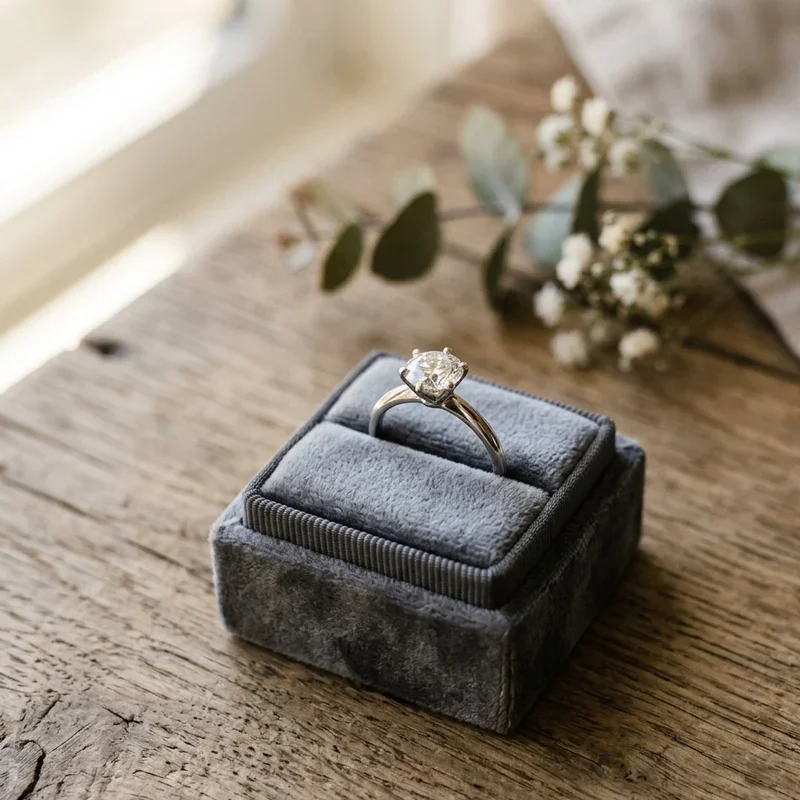
Life happens, and sometimes your ring size changes for good. Weight fluctuations, pregnancy, aging, medical conditions, and even changes in physical activity levels can all alter your finger size permanently. When this happens, resizing is a perfectly normal and common solution.
Most rings can be resized up or down by one to two sizes without any issues. Going beyond that range might require more extensive work or could compromise the ring's structural integrity, depending on the design and materials. Rings with intricate settings, channel-set stones, or eternity bands with gems all the way around can be trickier to resize, so always consult with a reputable jeweler before proceeding.
The resizing process itself usually takes a few days to a week. For sizing up, the jeweler cuts the band and adds extra metal before soldering it back together and polishing. For sizing down, they remove a small section of the band and rejoin it. Either way, a skilled jeweler can do this seamlessly, leaving no visible evidence of the alteration.
Conclusion
Finding the answer to how tight should your engagement ring be really comes down to personal comfort and practical security. Your ring should slide on with slight resistance, sit without spinning, and come off with a gentle tug. Remember that finger size fluctuates naturally, so aim for a fit that works across most conditions rather than chasing perfection for one specific moment. When in doubt, visit a trusted jeweler, get properly sized, and don't hesitate to explore adjusters or resizing if things change over time.
Read next: 15 Wedding Mandap Ideas for a Beautiful Ceremony Setup
Frequently Asked Questions
1.How tight should your engagement ring be for daily wear?
It should fit snugly with slight resistance but never cause pain or restrict circulation.
2.Can fingers change size after getting an engagement ring?
Yes, weight changes, temperature, diet, and aging all cause natural finger size fluctuations regularly.
3.Is it normal for an engagement ring to spin slightly?
Minor spinning is common, but constant rotation means the ring is probably too loose.
4.How often should I get my engagement ring size checked?
Visit your jeweler once a year to confirm your ring still fits comfortably and securely.
5.What should I do if my ring feels tight suddenly?
Remove it, elevate your hand, and wait for swelling to subside before wearing it again.
Stay up to date with our latest ideas!