What Is a White Wedding? Meaning, Traditions, and History
Discover what is a white wedding, its rich history, symbolic meaning, and beloved traditions that shaped modern ceremonies worldwide.
Ever wondered why brides across the globe reach for white gowns when their big day arrives? Well, you're certainly not alone! The white wedding has become so deeply woven into our cultural fabric that most people never stop to question where it all began. Spoiler alert: it's not nearly as ancient as you might think.
When we talk about What Is a White Wedding? Meaning, Traditions, and History, we're actually diving into a fascinating story that spans centuries, crosses continents, and involves one very influential queen. The whole concept has evolved dramatically over time, picking up new traditions and shedding old ones along the way.
Whether you're planning your own celebration or simply curious about why white became the ultimate bridal color, this journey through wedding history is gonna blow your mind. From royal courts to modern chapels, let's unravel the beautiful story behind one of our most cherished ceremonies.
The True Meaning Behind a White Wedding
More Than Just a Color Choice
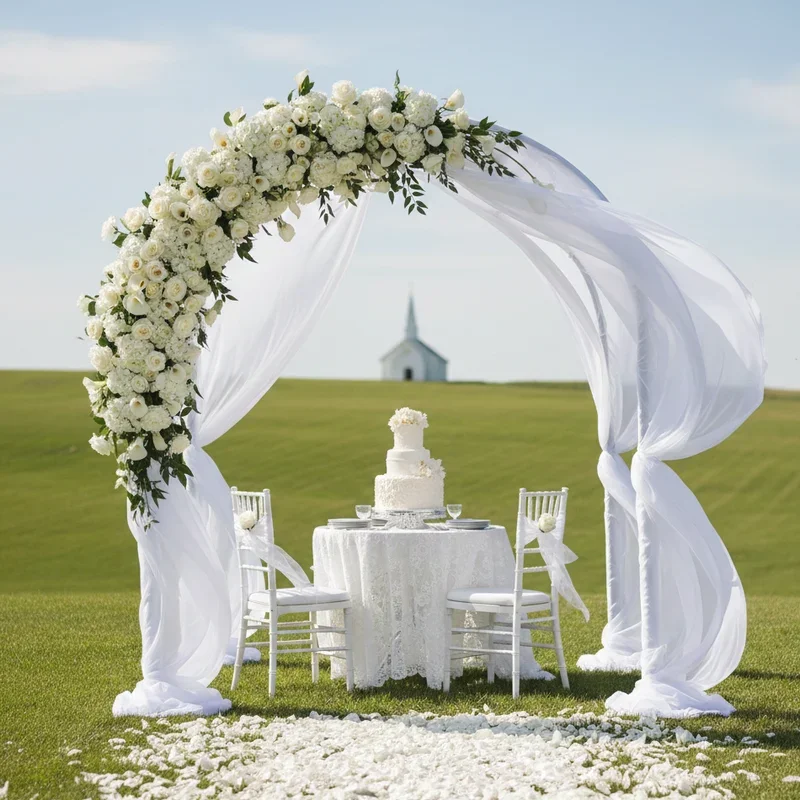
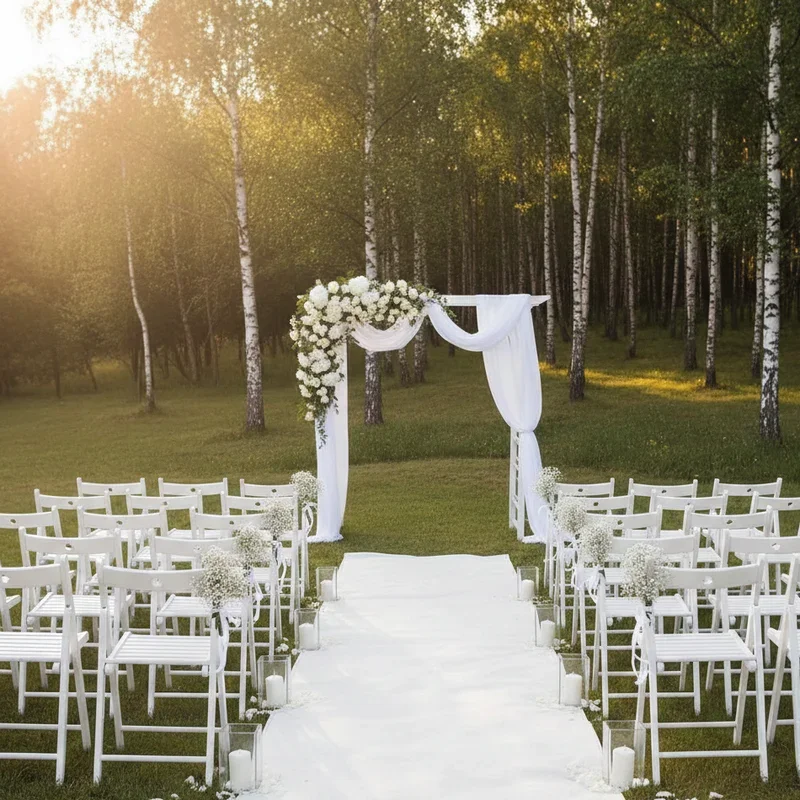
At its core, a white wedding refers to a traditional Western ceremony where the bride wears a white dress. But honestly, there's so much more to it than fabric color. The term has come to represent an entire package of customs, values, and ceremonial elements that together create what many consider the quintessential wedding experience.
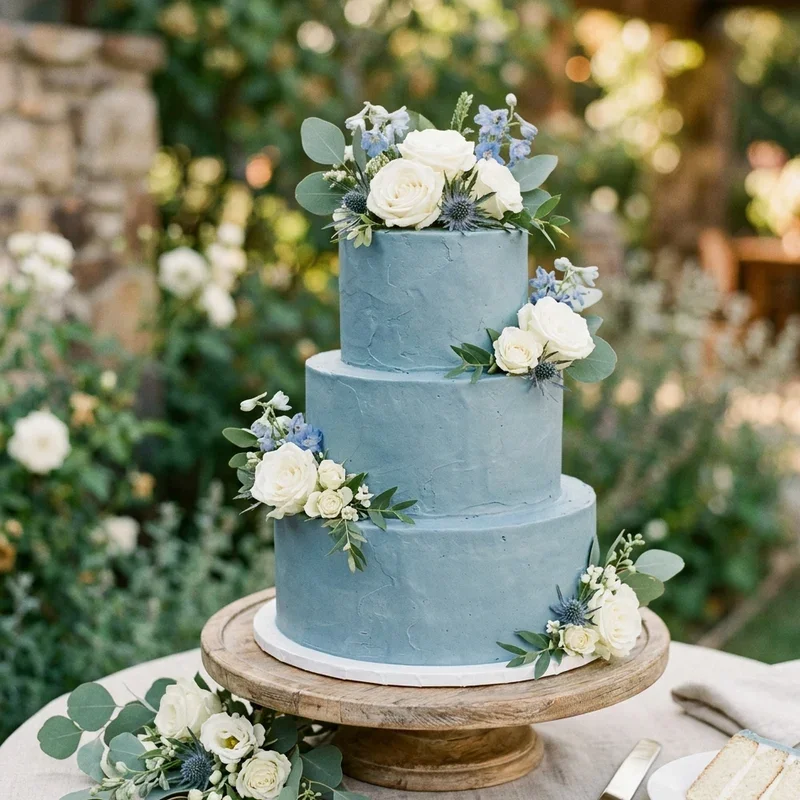
For generations, the white wedding has symbolized a formal, often religious ceremony complete with all the trimmings. We're talking church bells, flower girls, something borrowed and something blue, tiered cakes, and that magical first dance. It's become shorthand for a traditional celebration that follows established customs and expectations.
Symbolic Interpretations Through Time
Now here's where things get interesting. The symbolism attached to white weddings has shifted considerably over the years. Originally, white represented wealth and social status because, let's face it, keeping a white garment pristine wasn't exactly easy in the days before modern laundry.
Later, Victorian sensibilities attached meanings of purity and innocence to the white gown. This interpretation stuck around for quite a while, though modern couples generally view white more as a beautiful tradition than a statement about anything personal.
Today, most brides choose white simply because it's stunning, photographically gorgeous, and connects them to generations of women who came before. The meaning has evolved from status symbol to romantic tradition, and that's perfectly okay.
What Is a White Wedding? Meaning, Traditions, and History Explored
The Pre-Victorian Era
Before we get to the famous moment that changed everything, let's rewind a bit. Prior to the mid-1800s, brides typically wore their best dress regardless of color. In many cultures, red was actually the preferred choice because it symbolized fertility, prosperity, and good fortune.
Blue held significance in some regions due to its association with the Virgin Mary and purity. Working-class brides often chose practical colors like brown or grey because, well, they needed to wear that dress again! A one-use garment was simply unthinkable for most families.
White did appear occasionally among wealthy brides, but it wasn't considered essential or even particularly meaningful. It was just one option among many, often chosen to showcase expensive lace or demonstrate that the family could afford impractical clothing.
Queen Victoria Changes Everything
And then, boom! February 10, 1840 rolled around, and nothing would ever be quite the same. When Queen Victoria married Prince Albert, she deliberately chose a white satin gown trimmed with orange blossoms. This wasn't random at all because Victoria had specific intentions.
The young queen wanted to showcase British lace-making, particularly the beautiful Honiton lace crafted in Devon. She also wanted to present herself as a relatable bride rather than an untouchable royal figure. White helped achieve both goals beautifully.
Here's the thing though. Victoria wasn't trying to start a trend or make a statement about purity. She simply loved the way white displayed her precious lace. But thanks to newly available photography and mass print media, images of Victoria's gown spread like wildfire across Britain and beyond.
Women everywhere suddenly wanted what the queen had worn. Magazines published detailed descriptions, and dressmakers received countless requests for similar designs. Just like that, a tradition was born.
The Tradition Takes Root
Throughout the latter half of the 1800s, white weddings became increasingly popular among those who could afford them. The association with Queen Victoria lent the color an air of romance and respectability that proved irresistible.
By the early 1900s, white had firmly established itself as the expected choice for formal ceremonies. Etiquette guides insisted upon it, bridal shops stocked primarily white gowns, and any other color seemed almost rebellious.
The twentieth century cemented white's dominance completely. Hollywood glamorized elaborate white weddings in countless films, making the full traditional ceremony aspirational for women everywhere. Post-war prosperity meant more families could afford the whole package, and the white wedding became a cultural institution.
Essential Traditions of the White Wedding
The Ceremony Elements
A proper white wedding involves numerous ceremonial components that have developed over centuries. While couples today mix and match according to preference, certain elements remain remarkably consistent.
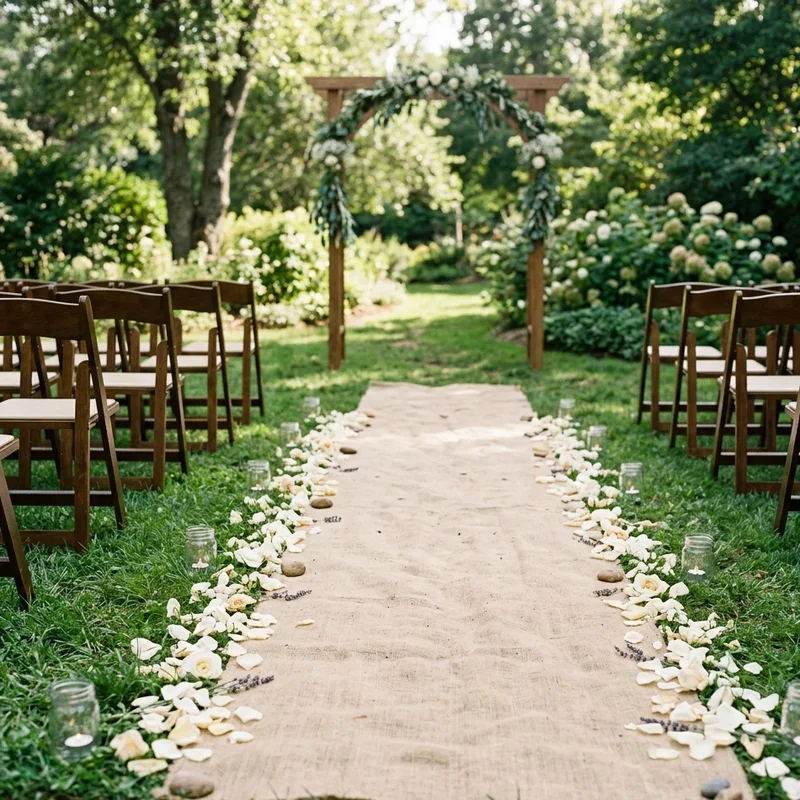
The processional marks the ceremony's beginning, with the bride's entrance typically saved for last. Walking down the aisle, often accompanied by a parent, remains one of the most emotionally charged moments of any wedding.
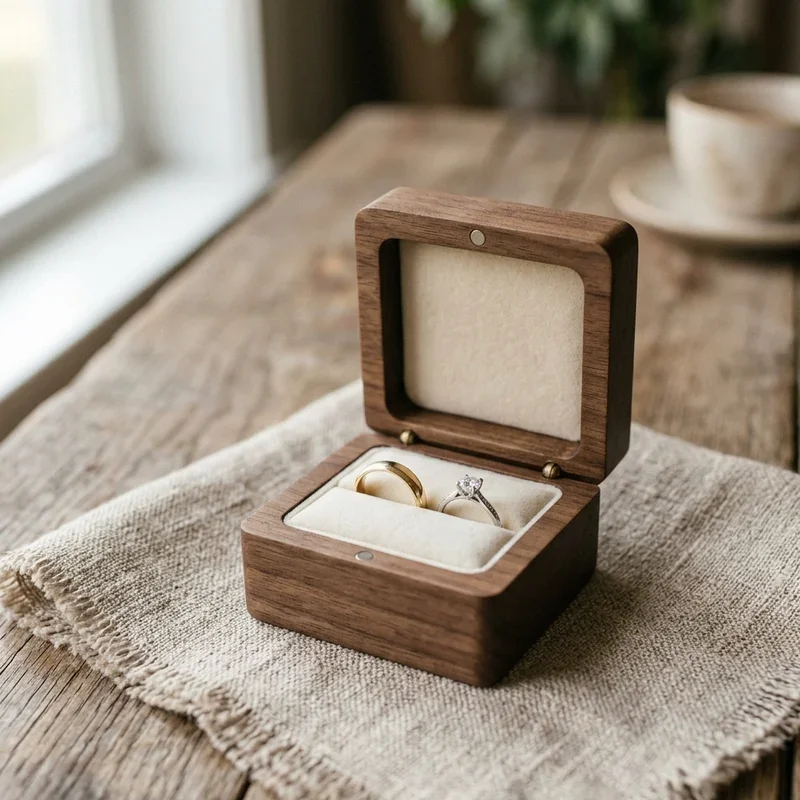
Exchange of vows forms the heart of the ceremony, whether traditional words or personal compositions. Rings are exchanged as tangible symbols of commitment, a practice dating back thousands of years to ancient Egypt.
The first kiss as a married couple, the declaration by the officiant, and the recessional complete the formal ceremony. Each element carries weight and meaning accumulated through countless celebrations before.
The Reception Customs
After the ceremony comes the celebration! White wedding receptions have developed their own set of beloved traditions over the years.
The receiving line allows newlyweds to greet each guest personally, though many modern couples skip this time-consuming tradition. The first dance as husband and wife originated in royal courts and remains a highlight for many celebrations.
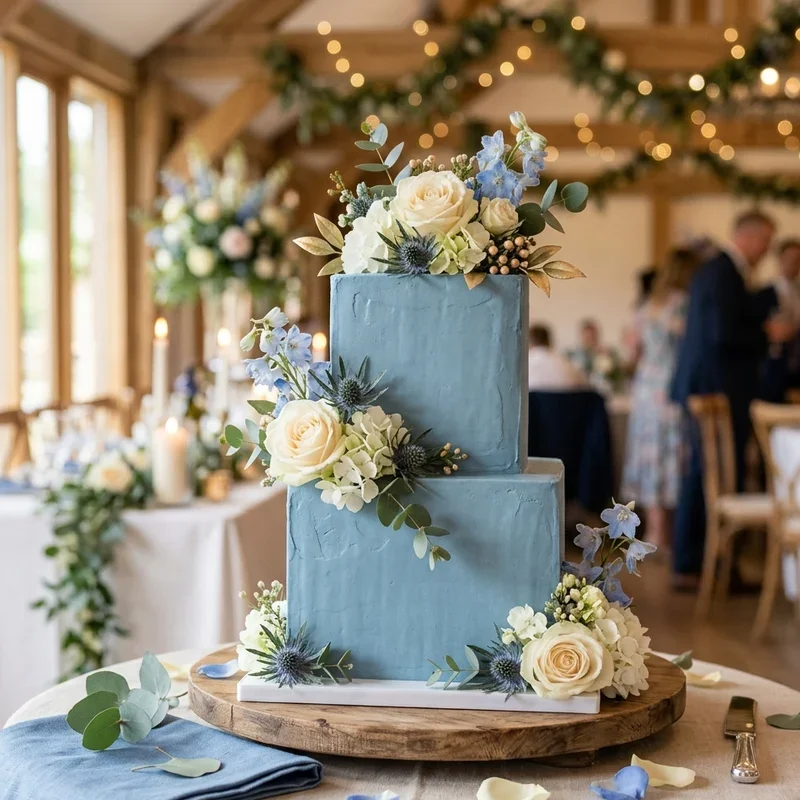
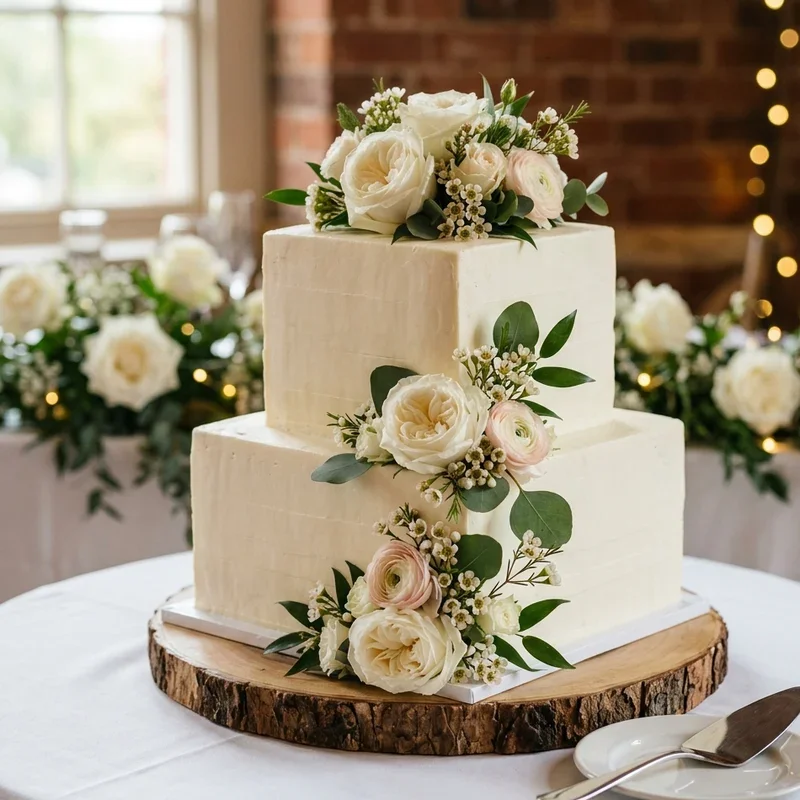
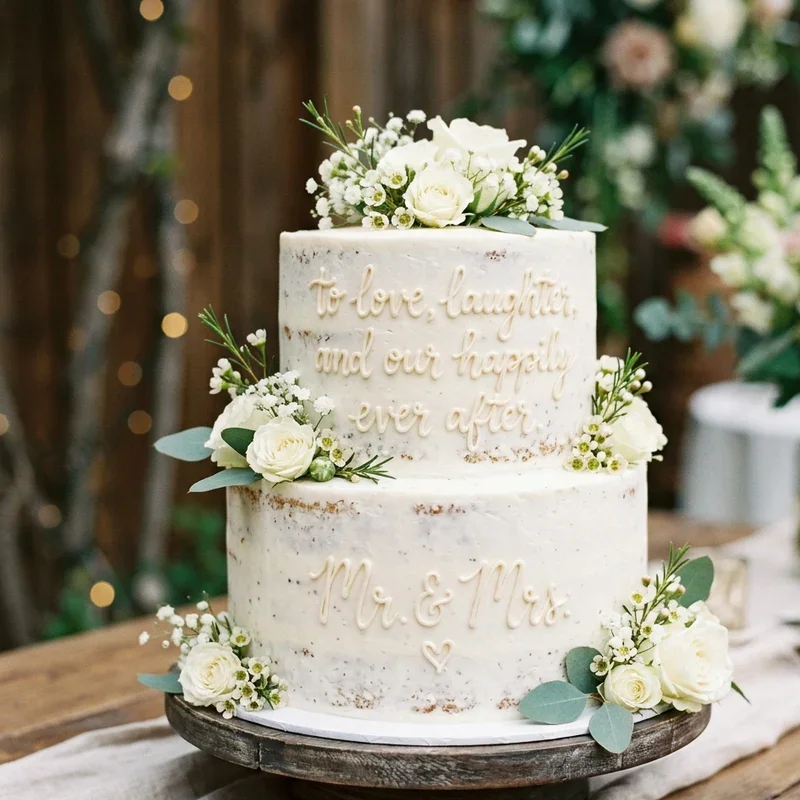
Cake cutting symbolizes the couple's first task together, while the bouquet and garter tosses add playful moments to the festivities. Toasts from loved ones, parent dances, and the grand exit round out the traditional reception.
Something Old, Something New
No discussion of white wedding traditions would be complete without mentioning this beloved rhyme. The full version goes: something old, something new, something borrowed, something blue, and a sixpence in your shoe.
Each element carries meaning. Something old connects the bride to her past and family. Something new represents optimism for the future. Something borrowed typically comes from a happily married friend or relative, transferring their good fortune. Something blue symbolizes fidelity and love.
The sixpence, representing prosperity, has largely fallen out of practice outside British ceremonies. But many brides still delight in incorporating the other four elements into their big day.
How White Weddings Vary Around the World
Western Adaptations
While the white wedding originated in Britain, it spread rapidly throughout Western cultures, picking up regional variations along the way. American celebrations tend toward larger guest lists and more elaborate receptions than their British counterparts.
European white weddings often incorporate local customs seamlessly. French ceremonies might include a coupe de mariage, a special engraved cup used for toasting. Italian celebrations frequently span multiple days with various events and gatherings.
Australian and New Zealand couples have embraced white weddings enthusiastically while adapting them to outdoor settings and more casual atmospheres. The core elements remain recognizable, but the vibe often feels distinctly relaxed.
Global Influence and Fusion
The white wedding has spread far beyond Western cultures, often blending with local traditions in fascinating ways. Japanese couples frequently hold both Shinto ceremonies in traditional attire and Western-style white weddings, sometimes on the same day!
Indian weddings increasingly incorporate white gowns for reception events while maintaining traditional red or colorful attire for religious ceremonies. Chinese couples often change outfits multiple times, including a white dress alongside traditional red qipao.
This cultural fusion has created beautiful hybrid celebrations that honor multiple heritages simultaneously. Rather than replacing local traditions, the white wedding often exists alongside them.
The Modern White Wedding Evolution
Contemporary Interpretations
Today's couples approach white weddings with more flexibility than ever before. While the traditional framework remains popular, customization has become the name of the game.
Some brides choose ivory, champagne, blush, or even bolder colors while still maintaining other white wedding traditions. Others embrace the white gown but skip elements like the garter toss that feel outdated to them.
Destination weddings, micro-weddings, and elopements have expanded what a white wedding can look like. The essence remains even when the scale or setting changes dramatically.
Sustainability and Conscious Choices
Growing awareness of environmental and ethical concerns has influenced modern white weddings significantly. Vintage and second-hand gowns have shed any stigma, with many brides proudly wearing previously loved dresses.
Rental options, sustainable fabrics, and local sourcing have become increasingly important to conscious couples. The white wedding continues evolving to reflect contemporary values while maintaining its romantic appeal.
Why White Weddings Endure
Emotional Connection
There's something undeniably powerful about participating in traditions shared by countless couples before you. Walking down an aisle in white connects modern brides to their mothers, grandmothers, and generations beyond.
This emotional continuity gives white weddings staying power that trends cannot match. Even couples who consider themselves non-traditional often find themselves drawn to at least some classic elements.
Visual and Photographic Appeal
Let's be practical for a moment. White photographs absolutely beautifully. It creates stunning contrast, catches light gorgeously, and provides a timeless look that won't feel dated decades later.
Professional photographers know how to work with white gowns to create images that take your breath away. This visual magic helps explain why white remains dominant despite countless alternatives.
Cultural Familiarity
When someone mentions a wedding, most people immediately picture a white gown, flowers, and a traditional ceremony. This shared cultural understanding makes white weddings feel instantly recognizable and emotionally resonant.
Understanding What Is a White Wedding? Meaning, Traditions, and History helps us appreciate why these celebrations continue captivating hearts and imaginations worldwide.
Conclusion
The white wedding has journeyed from Queen Victoria's deliberate fashion choice to become perhaps the most recognized celebration style worldwide. What started as one young queen's preference for showcasing lace transformed into a beloved tradition embraced across cultures and generations. Today's couples enjoy unprecedented freedom to adapt these traditions while honoring their timeless appeal. Whether you choose every traditional element or just a few favorites, understanding What Is a White Wedding? Meaning, Traditions, and History enriches your appreciation for this beautiful ceremonial heritage.
Read next: 15 Wedding Basket Ideas for Charming Ceremony Details
Frequently Asked Questions
1. Did Queen Victoria invent the white wedding dress tradition?
Victoria popularized white gowns in 1840, though some wealthy brides had worn white before her.
2. What did brides wear before white became traditional?
Brides typically wore their finest dress in any color, often choosing practical shades.
3. Does wearing white at a wedding symbolize purity?
This Victorian interpretation has faded, and most modern brides choose white for aesthetic reasons.
4. Can you have a white wedding without a white dress?
Absolutely! The term now broadly describes traditional Western ceremonies regardless of gown color.
5. Why do some cultures prefer red wedding dresses instead?
Red symbolizes luck, prosperity, and fertility in many Asian cultures, particularly Chinese traditions.
Stay up to date with our latest ideas!