When to Buy Wedding Rings for Stress-Free Planning
Wondering when to buy wedding rings for stress-free planning? Discover the perfect timeline, tips, and expert advice to avoid last-minute panic.
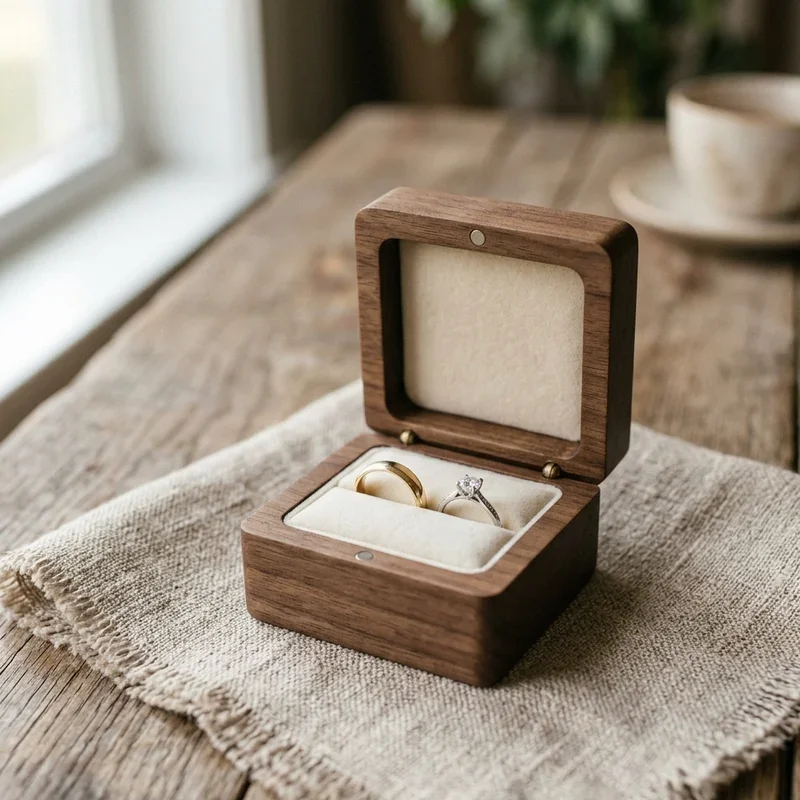
So you've said yes, the venue's booked, and the guest list is basically a battlefield of family politics. But here's the thing most couples overlook until it's almost too late: the rings. Knowing when to buy wedding rings for stress-free planning can honestly make or break your entire wedding experience. Rush it, and you're stuck with whatever's in stock. Plan it right, and you've got custom engravings, perfect fits, and zero anxiety on the big day. This guide walks you through everything you need to know, from the ideal timeline to the sneaky little details that trip couples up every single time.
Why Ring Timing Matters More Than You Think
Let's be real - most couples spend months obsessing over flowers, cakes, and color palettes, then suddenly realize with three weeks to go that they haven't even looked at rings yet. That's a recipe for disaster, not romance.
Wedding rings aren't just accessories. They're symbols you'll wear every single day for the rest of your lives together. Giving yourself enough time means you can actually enjoy the process instead of white-knuckling it through a rushed jewelry store visit during your lunch break.
Here's what can go wrong when couples wait too long:
Custom sizing and engraving can take anywhere from 2 to 8 weeks depending on the jeweler
Specialty metals like platinum or tungsten may need to be ordered in advance
Resizing after delivery can add another week or two to the timeline
Popular ring styles sometimes go out of stock, especially during peak wedding seasons
International orders, if you're shopping online, often have unpredictable shipping delays
Giving yourself a generous buffer isn't being paranoid. It's just smart planning.
The Golden Timeline: When to Start Shopping
4 to 6 Months Before the Wedding
This is genuinely the sweet spot. Starting your ring search four to six months out gives you enough breathing room to browse without pressure, compare jewelers, and still leave time for custom work or any unexpected hiccups.
At this stage, you're not rushing. You can visit multiple stores, look at different styles side by side, and actually have fun with it. This is also a great time to start thinking about your budget, because ring prices can vary wildly depending on the metal, stone, and craftsmanship involved.
If you're going custom, four to six months is pretty much the minimum you'd want. Custom rings often involve back-and-forth communication with a jeweler or designer, and that process takes time. You might tweak the design two or three times before you're happy with it.
3 Months Before the Wedding
Three months out is still totally workable, but you're starting to feel the clock ticking a little. At this point, you should already have a clear idea of what you want. This isn't the time to be scrolling Pinterest for the first time wondering if you're a gold person or a silver person.
Most jewelers need at least 6 to 8 weeks for custom orders, so if you're walking into a shop at the three-month mark expecting full customization, you'll need to move fast. On the flip side, if you're going with a semi-custom or off-the-shelf ring, three months gives you plenty of wiggle room.
2 Months Before the Wedding
Two months is cutting it close, but it's not a disaster if you're flexible. At this stage, your best bet is working with what's available in-store or choosing designs that can be completed quickly. Many jewelers have beautiful ready-made options that can be sized within a week or two.
The key thing to avoid at two months out is getting attached to a design that requires extensive custom work. Keep your expectations realistic and focus on what's actually achievable in the timeframe.
1 Month or Less Before the Wedding
Okay, breathe. It happens. Life gets chaotic, and sometimes ring shopping falls off the radar. At this point, you've got a few solid options:
Look for ready-to-wear rings that only need minor sizing adjustments
Shop at jewelers who offer rush services, though expect to pay a premium
Consider purchasing a placeholder ring for the ceremony and upgrading later
Explore online retailers with fast shipping and easy return policies
It's not ideal, but it's absolutely survivable. Plenty of couples have been in this exact spot and ended up with rings they love.
Custom vs. Ready-Made: How Your Choice Affects the Timeline
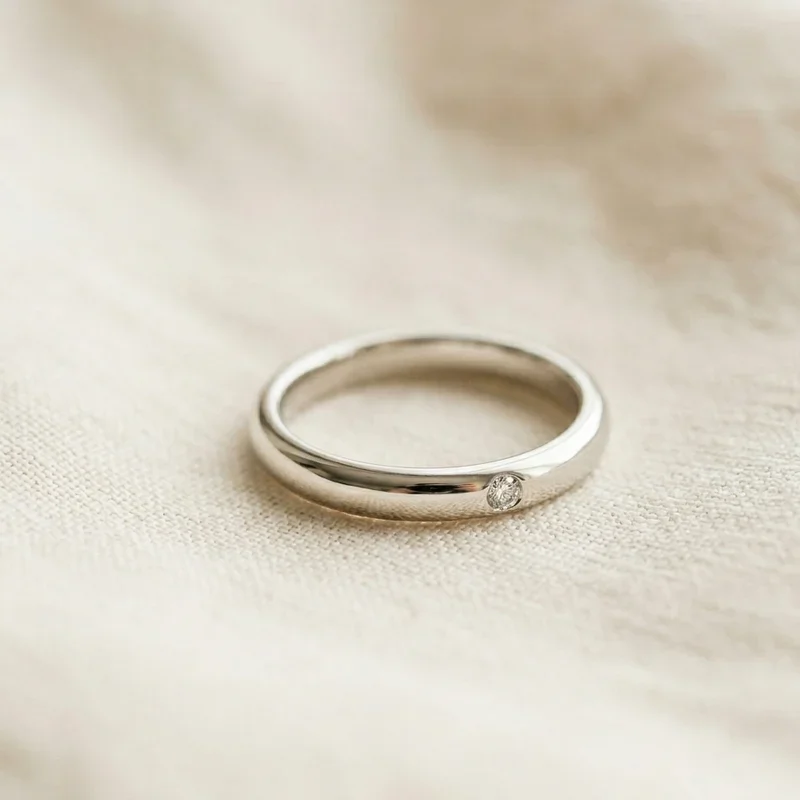
When thinking about when to buy wedding rings for stress-free planning, one of the biggest factors is whether you're going custom or off the shelf. These two paths have very different timelines, and confusing them is where a lot of couples get into trouble.
Custom Rings
Custom rings are gorgeous, personal, and meaningful. They're also the most time-intensive option. Here's a rough breakdown of what the custom process looks like:
Initial consultation: 1 to 2 weeks to discuss your vision, budget, and design preferences
Design mockup or CAD rendering: Another 1 to 2 weeks to see a visual of the finished piece
Approval and revisions: Up to 2 weeks depending on how many changes you request
Production: 3 to 6 weeks for the actual crafting of the ring
Delivery and any final adjustments: 1 to 2 additional weeks
Add that all up and you're looking at a minimum of 8 weeks, and sometimes closer to 14. That's why starting 4 to 6 months out is so highly recommended for custom work.
Semi-Custom Rings
Semi-custom rings are a happy middle ground. You're starting with an existing design but personalizing it, maybe changing the metal, adding an engraving, or swapping out a stone. These typically take 4 to 6 weeks, which is more manageable if you're working with a tighter timeline.
Ready-Made Rings
Off-the-shelf rings are your fastest option. If the size is right or close enough for a simple adjustment, you could walk out of a jewelry store same-day or within a week. For couples who love classic, timeless styles, ready-made rings are an excellent choice that requires zero lead time stress.
Getting the Ring Size Right
Here's something couples don't always think about: sizing. Getting the right fit is crucial, and it's not as simple as measuring your finger once and calling it done.
Fingers swell and shrink depending on temperature, time of day, and even hydration levels. Your ring finger in the morning on a cold day can actually be noticeably smaller than it is in the afternoon after a salty dinner. Sounds wild, but it's true.
Tips for nailing the size:
Get sized by a professional jeweler rather than relying on those paper ring sizer tools from online shops
Try to get measured at the end of the day when your fingers are at their largest
Consider the width of the band, because wider bands typically fit more snugly
If you're between sizes, go up rather than down since resizing up is usually easier
Get sized more than once if possible, ideally on different days and at different times
If you're ordering online or surprising your partner with a ring, many jewelers recommend starting with a size that's slightly larger since it's easier to size down than to size up with certain ring styles.
Shopping as a Couple vs. Shopping Solo
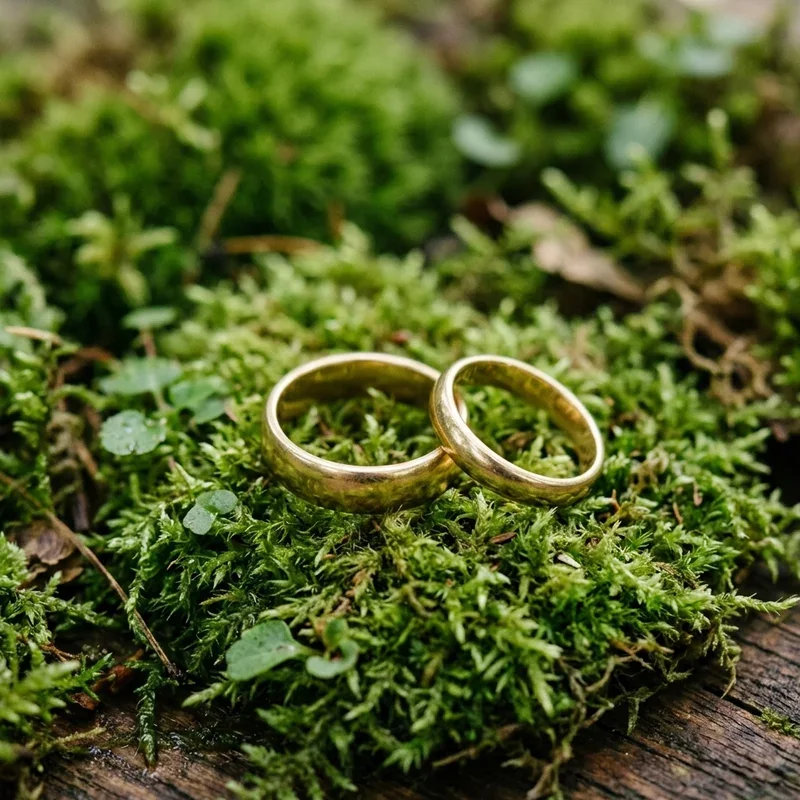
There's no hard rule here, but it's worth thinking about. Shopping together has obvious advantages: you both get input, you can compare styles side by side, and there's no risk of ending up with something your partner secretly doesn't love.
That said, some couples prefer to keep the ring purchase as a personal gesture, especially for those who got engaged without a traditional engagement ring and want the wedding band to feel like a meaningful surprise. Both approaches are completely valid.
If you're shopping solo, here's how to stay on track:
Pay attention to any jewelry your partner already wears, because that tells you a lot about their style preferences
Ask their close friends or family members for guidance
Look for photos they've saved or liked on social media for style clues
When in doubt, classic and simple is almost always a safe bet
Budget Planning: Don't Leave This Until Last
Wedding rings can range from a few hundred dollars to tens of thousands, so having a clear budget before you start shopping saves a lot of awkward conversations at the jewelry counter.
A rough guideline many couples follow is allocating somewhere between 3% and 5% of the total wedding budget to the rings. But honestly, there's no rule that says you have to follow that. What matters is that you're both comfortable with what you're spending and that you're not going into debt over it.
Some metal and style considerations that affect price:
Gold (yellow, white, or rose) is a classic choice with a wide price range depending on karat
Platinum is more durable and hypoallergenic but costs significantly more than gold
Titanium and tungsten are extremely affordable and very durable, though resizing can be tricky
Sterling silver is the most budget-friendly option but tends to tarnish more over time
Lab-grown diamonds or moissanite offer a sparkly look at a fraction of the cost of natural diamonds
Knowing your budget upfront also helps jewelers point you toward the right options without wasting your time on pieces that are way out of range.
When to Buy Wedding Rings for Stress-Free Planning: A Seasonal Perspective
Believe it or not, the time of year you shop can affect your experience. Spring and early summer are peak wedding season, which means jewelry stores are busier, jewelers are backed up, and popular styles might have longer wait times. Shopping during the off-season, like fall or winter, can mean more availability, shorter wait times, and occasionally better pricing.
If your wedding is in June, start shopping in January or February at the latest. That way you beat the spring rush and give yourself a solid buffer.
Holiday periods like Christmas and Valentine's Day are also busy times for jewelry stores, so try to avoid shopping during those windows unless you genuinely have no other option.
Red Flags to Watch for When Choosing a Jeweler
Not all jewelers are created equal, and since you're making a significant purchase, it pays to do a little homework. Here are some warning signs to keep an eye out for:
Vague timelines with no written guarantee of a delivery date
Pressure to make decisions on the spot without giving you time to think
No clear return or resize policy
Poor or inconsistent online reviews
Reluctance to show you certifications for stones or metals
No physical address or verifiable business history if shopping online
A reputable jeweler will be patient, transparent, and happy to answer every question you throw at them. If something feels off, trust your gut and take your business elsewhere.
Final Touches Before the Big Day
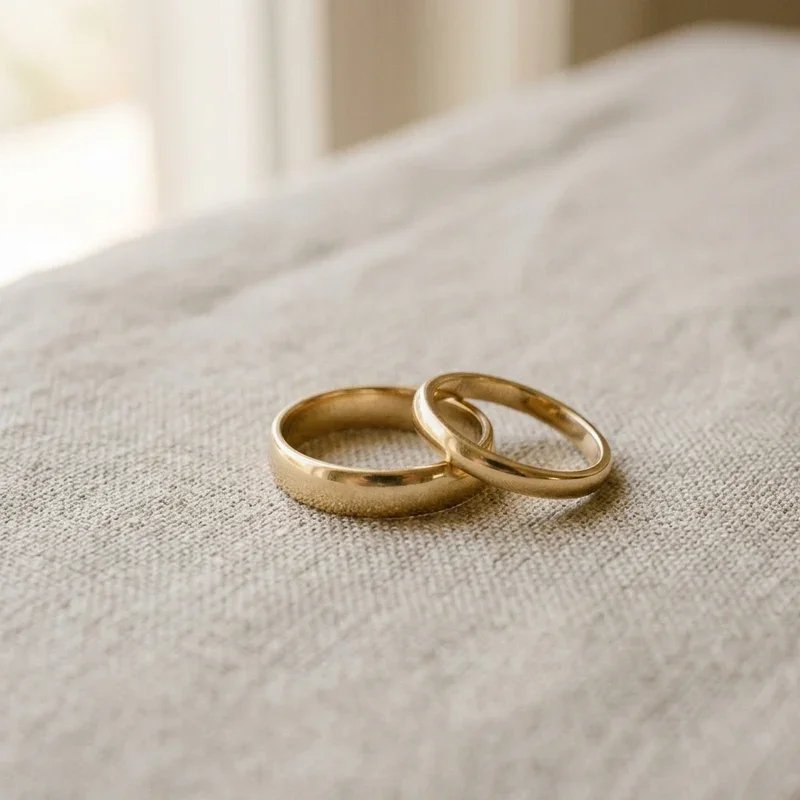
Once your rings arrive, there are a few last steps before you're truly done:
Try them on together and confirm the fit feels comfortable
Double-check any engravings are spelled correctly (it sounds obvious, but mistakes happen)
Store them somewhere safe and memorable so you're not scrambling on the wedding morning
Coordinate with your wedding party about who will be holding the rings during the ceremony
Consider insuring the rings, especially if they're high in value
Conclusion
Figuring out when to buy wedding rings for stress-free planning really comes down to one word: early. The earlier you start, the more choices you have, the less pressure you feel, and the more you can actually enjoy the whole experience. Whether you're going full custom or picking something classic off the shelf, give yourself at least three to four months and you'll be in great shape. Your rings deserve as much thought and care as everything else you've planned, so don't leave them as an afterthought.
Read next: What Is a White Wedding? Meaning, Traditions, and History
Frequently Asked Questions
1. When is the best time to start shopping for wedding rings?
Starting four to six months before your wedding gives you the most flexibility and stress-free experience.
2. How long does it take to make a custom wedding ring?
Custom rings typically take eight to fourteen weeks, depending on design complexity and the jeweler's workload.
3. Can I resize a wedding ring after purchasing it?
Yes, most rings can be resized, though certain metals like tungsten are extremely difficult to resize later.
4. Should couples shop for wedding rings together or separately?
Shopping together ensures both partners are happy, but solo shopping works well for surprise or personal gestures.
5. What if I run out of time and haven't bought rings yet?
Choose ready-made rings or ask about rush services, as many jewelers accommodate tight timelines for a fee.
Stay up to date with our latest ideas!